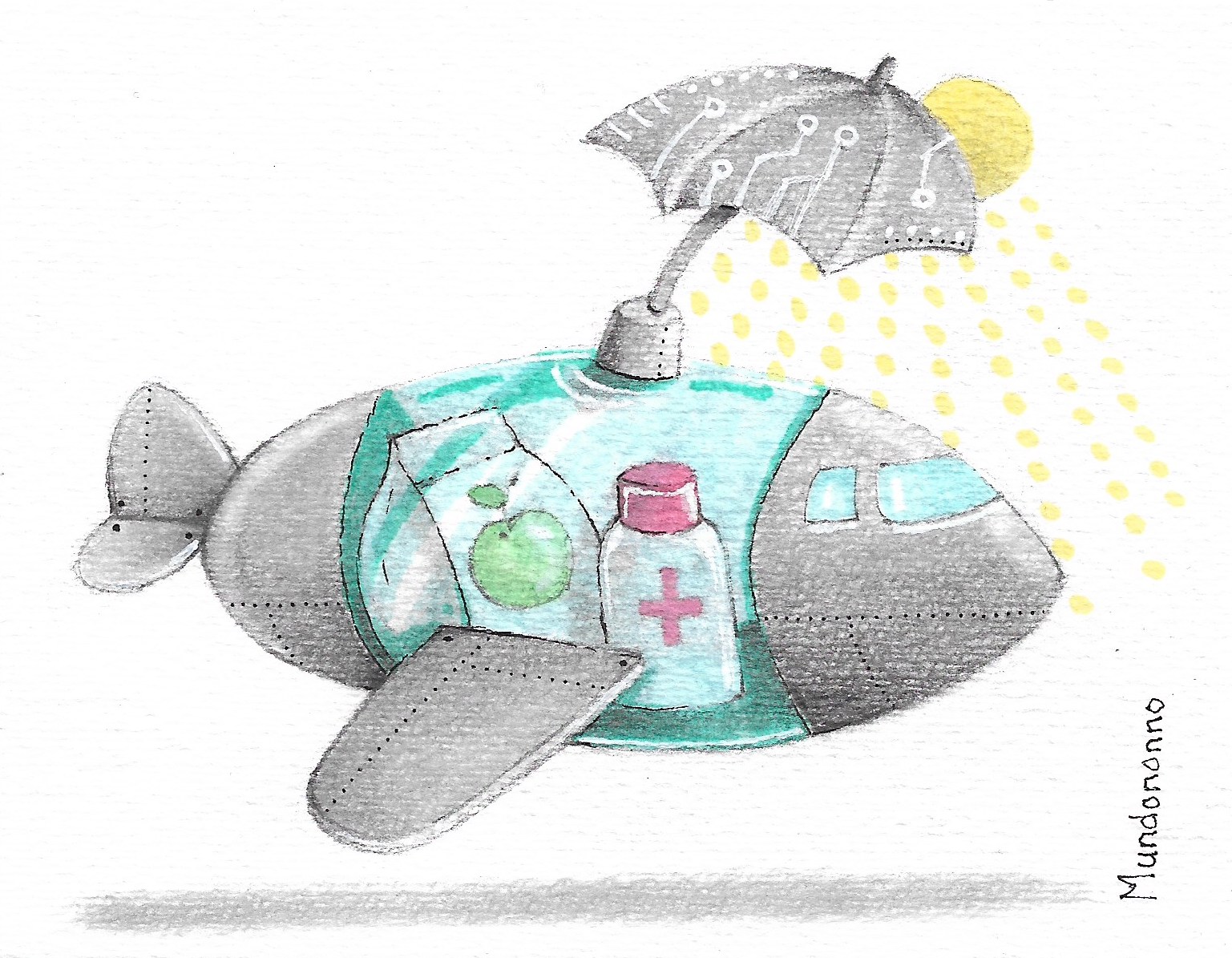
Deep Diving into Transport, Logistics, and Cold Chain
A temperature-controlled product is only as protected as the weakest handoff in its journey.

A temperature-controlled product is only as protected as the weakest handoff in its journey.

Feeding the world depends on agricultural systems capable of withstanding climate pressures, distributing value more fairly, and turning scientific innovation into solutions that reach the field.
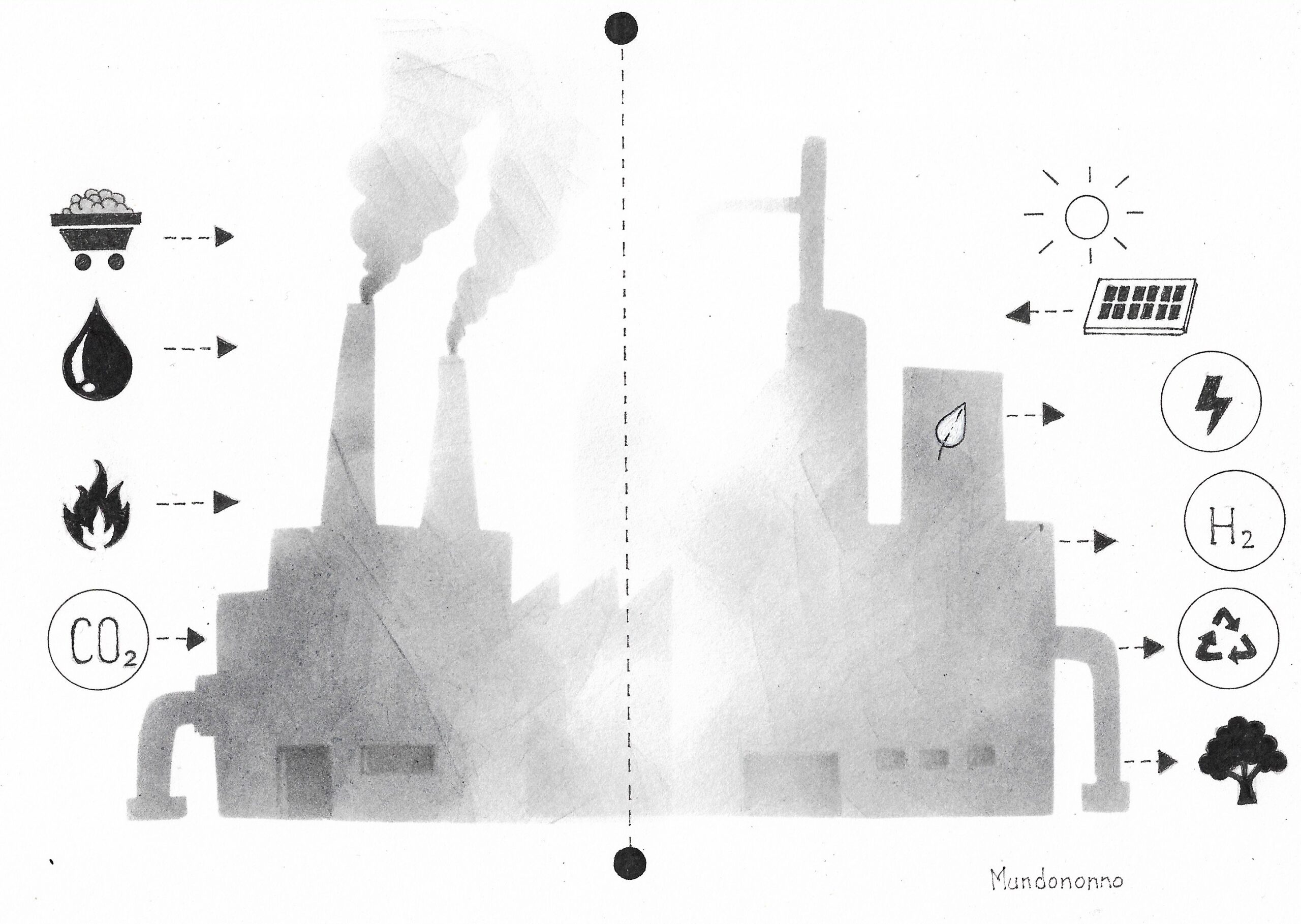
How clean heat, electrification, hydrogen, alternative chemistries, and carbon management are reshaping industrial production.

Science-based ventures carry several forms of progress at once: technical development, customer discovery, industrial planning, regulatory decisions, team building, financial preparation, among many other things. Before defining an investment strategy, founders need a grounded view of how these elements currently…
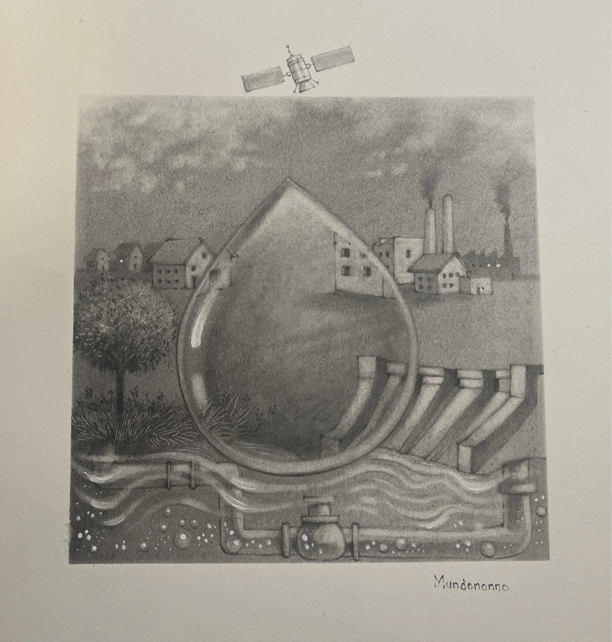
Water is embedded in nearly every industrial system. It transfers heat, carries materials, enables chemical reactions, cleans equipment, controls dust, irrigates crops, supports mineral processing, and forms part of products ranging from food and pharmaceuticals to semiconductors. Its availability, quality,…
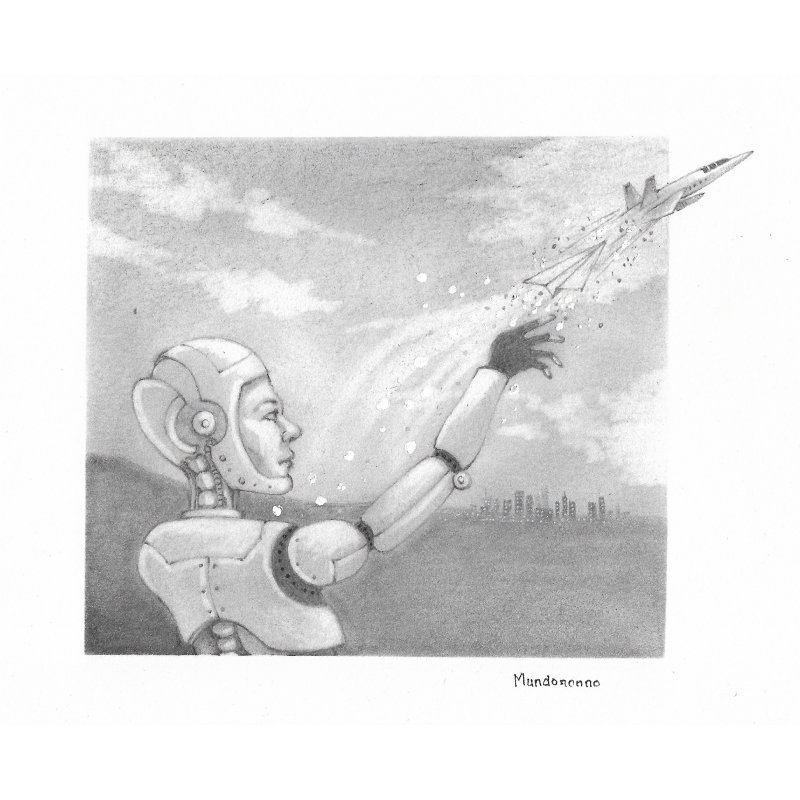
Every industrial product begins with a material. Whether designing a bridge, manufacturing a battery, producing an aircraft component, or developing food packaging, the properties of the chosen material define what that product can achieve. Strength, durability, weight, corrosion resistance, thermal…
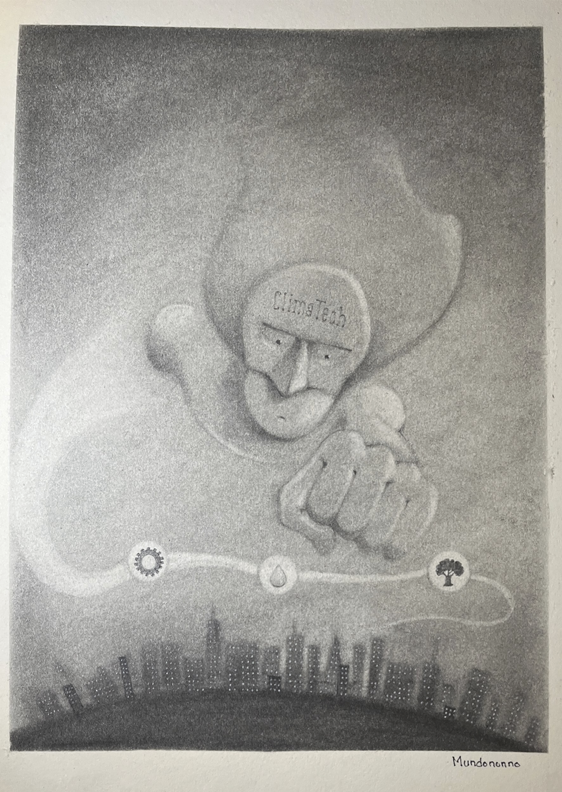
ClimateTech has emerged as one of the most dynamic areas of technological innovation, attracting growing attention from governments, industries, investors, and research institutions worldwide. Yet despite its increasing visibility, the term often encompasses a broad and diverse set of technologies…
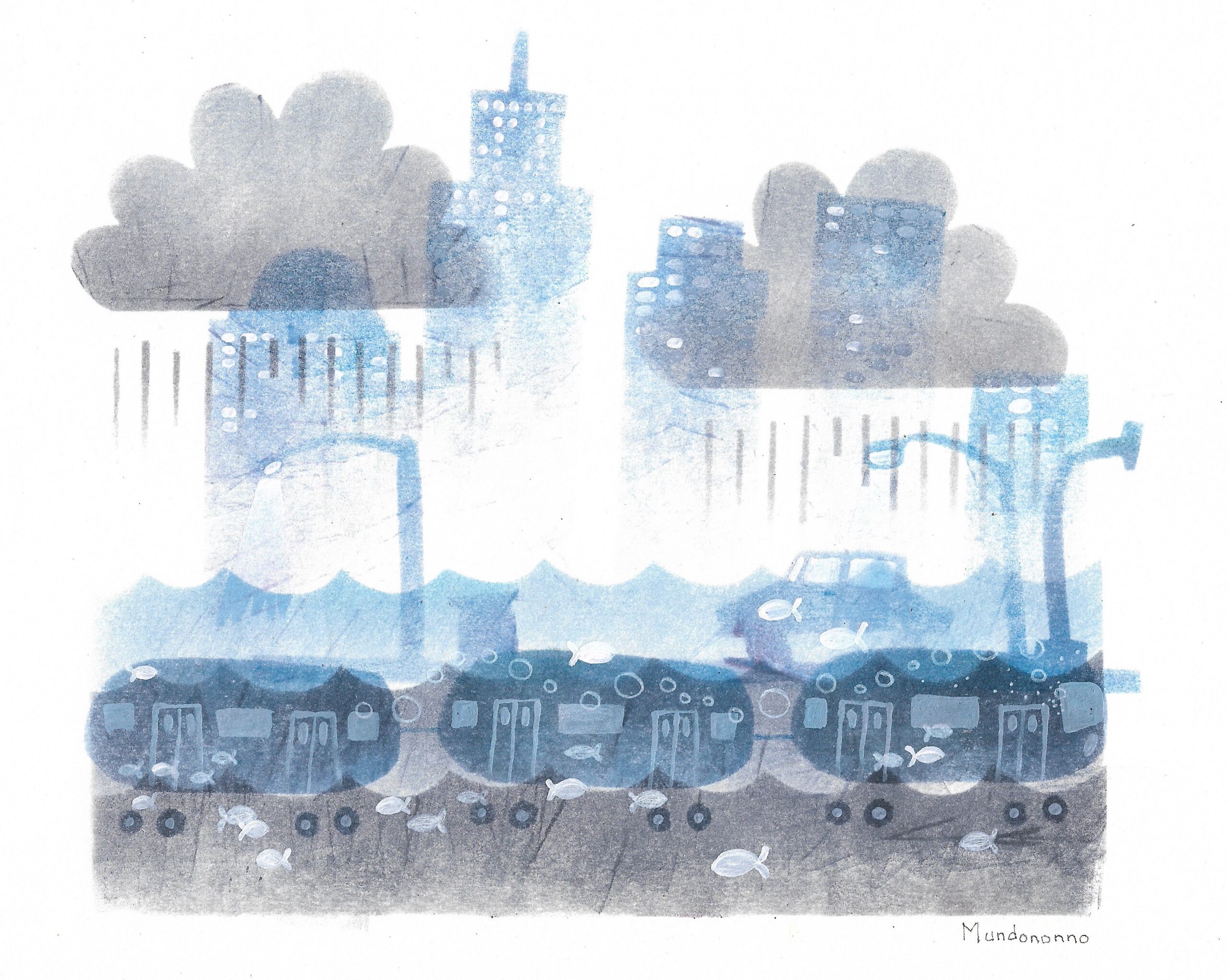
Climate-resilient transport infrastructure depends on how effectively existing systems can adapt, coordinate, and respond under changing conditions. The opportunity extends beyond building new assets. Cities, operators, and infrastructure managers can strengthen A&R by modernizing current networks, improving operational visibility, and…
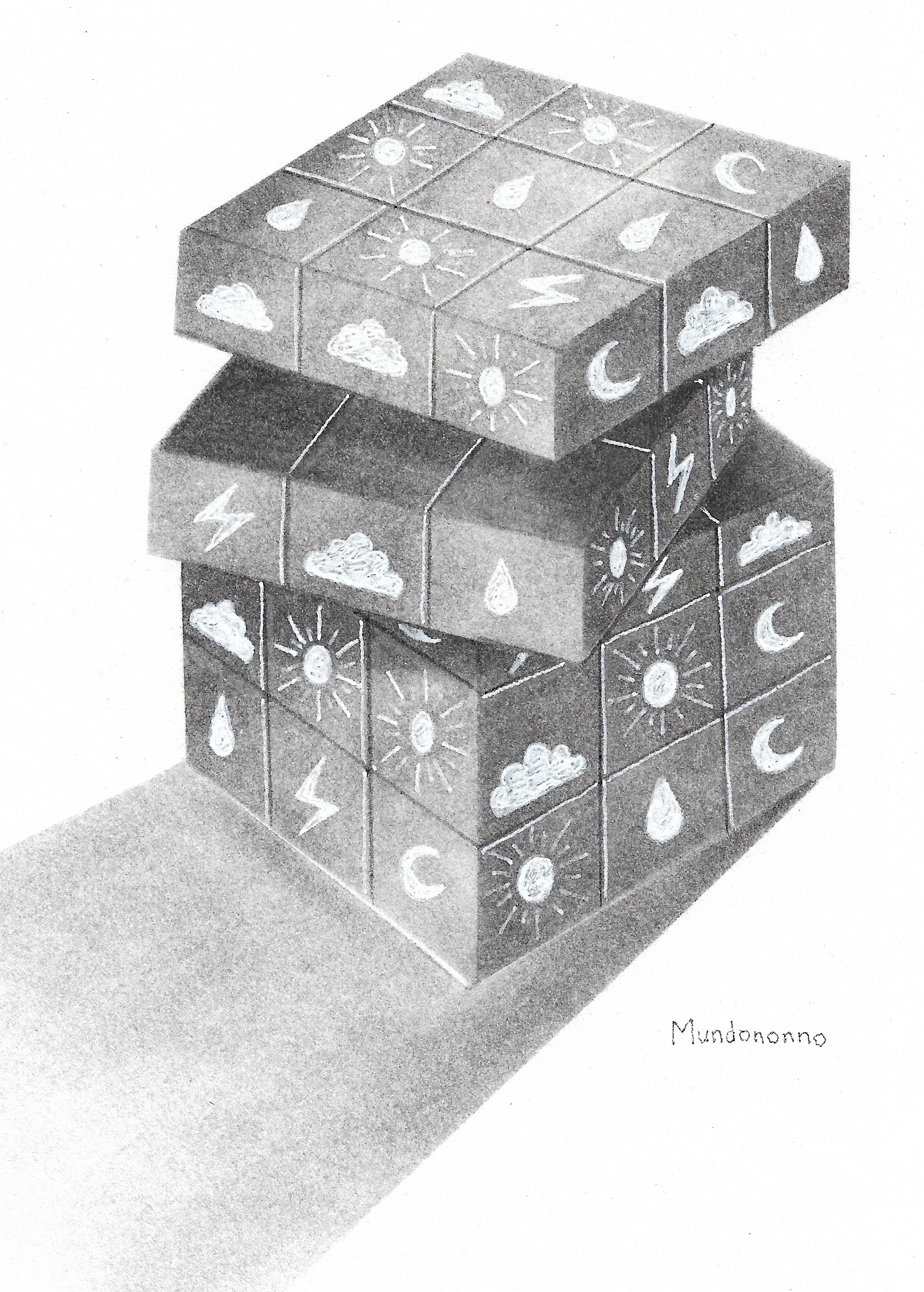
Modern transport infrastructure for decades was designed under an assumption that environmental conditions would remain relatively stable over time. Roads, rail systems, drainage networks, and urban transit corridors were built using historical climate patterns to estimate durability, maintenance cycles, and…
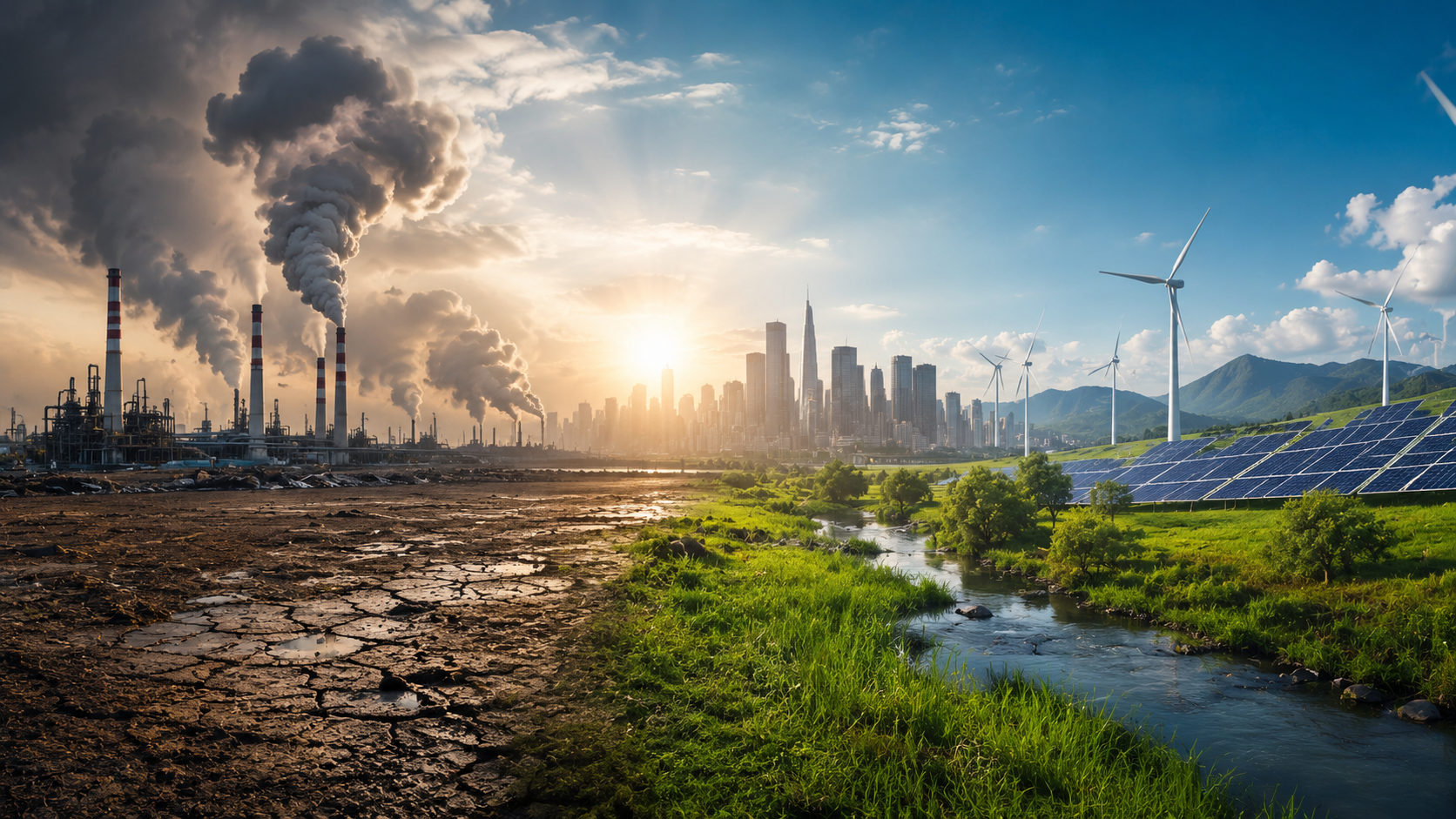
Modern cities were built during a period of relative climatic stability. Urban infrastructure systems, from energy grids and transportation networks to water management and cooling systems, were designed around historical environmental conditions that were assumed to remain broadly predictable over…