
DeepDiving in: Energy flexibility and resilience
The Energy System must respond as conditions change
Energy availability depends on continuous coordination. Generation and consumption must remain balanced as demand rises and falls throughout the day, renewable output changes with weather conditions, and energy moves through networks with physical capacity limits. As electricity becomes more central to transportation, buildings, industry, and digital infrastructure, this coordination becomes increasingly important.
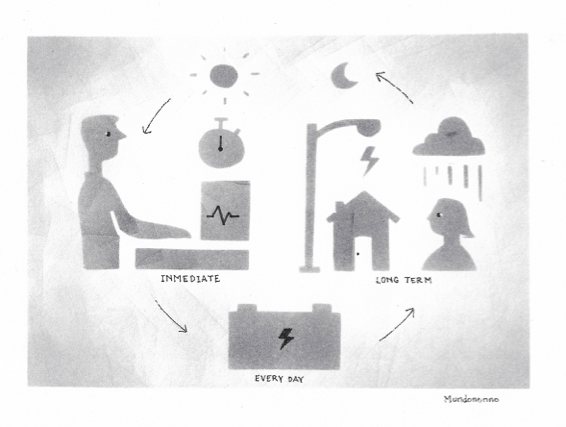
Solar and wind power introduce larger variations in when electricity is available, while electrification creates new and sometimes concentrated sources of demand. Electric vehicles, heat pumps, industrial equipment, cooling systems, and data centres can place additional pressure on networks at particular times and locations. At the same time, heatwaves, storms, floods, wildfires, and other extreme events can damage infrastructure or interrupt access to energy when communities and essential services need it most.
Addressing these conditions requires technologies capable of storing energy, shifting demand, redirecting power, coordinating distributed assets, and maintaining critical services during disruptions. Together, these capabilities form the ClimaTech family of Energy Flexibility and Resilience, enabling energy infrastructure to adapt as generation, demand, and environmental conditions change.
Energy flexibility is the capacity to adjust how much, when, how, and where electricity is generated, stored, delivered, or consumed. This capability is necessary because electricity supply and demand are constantly changing, while the physical infrastructure carrying that electricity has operational limits. Batteries can store surplus generation for later use, industrial facilities can shift selected processes away from periods of high demand, and distributed assets can be coordinated to relieve pressure in a specific area. Each intervention changes the timing or location of energy use, allowing existing generation and network capacity to be used more effectively.
Energy resilience addresses a different operating condition: the possibility that energy infrastructure may be exposed to failure, damaged, disconnected, or unable to deliver its usual level of service. Resilient technologies prepare energy assets to withstand disruption, preserve essential functions, and recover more rapidly. A microgrid equipped with distributed generation, storage, and advanced controls, for example, can disconnect from the wider network and continue supplying critical loads during an outage. Flexibility therefore supports continuous adaptation during normal operation, while resilience extends that adaptability to emergencies and prolonged disturbances. Technologies that can perform both functions create value during everyday use and remain available when reliability becomes critical.
These capabilities make Energy Flexibility and Resilience a fundamental ClimaTech family. Renewable electricity varies according to weather and time of day, while electrification introduces new demand from vehicles, heating, cooling, industrial processes, and digital infrastructure. Flexibility helps align that changing demand with periods of low-carbon generation, reduce renewable curtailment, and limit dependence on carbon-intensive backup capacity. Resilience complements this mitigation role by protecting access to energy as extreme heat, storms, floods, wildfires, and other climate-related events place greater pressure on physical infrastructure. Together, these technologies support an energy transition that can scale while maintaining reliable and adaptable energy services.
The scale of the flexibility gap
Global electricity consumption is projected to increase from approximately 28,200 TWh in 2025 to 33,600 TWh by 2030, adding around 1,100 TWh of demand each year. This growth will also change when and where electricity is required. Buildings are expected to account for 49% of additional demand through 2030, driven partly by cooling, heat pumps, and data centres, while transport’s contribution will more than double as electric vehicle adoption expands. These loads can create concentrated peaks, making the timing and location of electricity consumption as important as the total amount supplied. IEA, Electricity 2026: Demand
The generation mix is changing alongside demand. Renewable electricity output is expected to grow by approximately 1,050 TWh annually through 2030, with solar PV contributing more than 600 TWh of that yearly increase. Because solar and wind production varies across hours, days, and seasons, their expansion increases the need for resources that can shift energy across time and respond rapidly when output changes. Under the IEA pathway aligned with tripling renewable capacity, global energy storage must grow sixfold to reach 1,500 GW by 2030, illustrating the scale of infrastructure required to convert renewable capacity into reliably available electricity. IEA, Electricity 2026: Supply, IEA, Batteries and Secure Energy Transitions
Grid limitations add a spatial dimension to this flexibility gap. More than 2,500 GW of renewable generation, storage, and large-load projects are currently stalled in connection queues worldwide, while new transmission infrastructure can take between five and fifteen years to plan and complete. The IEA estimates that grid-enhancing technologies alone could unlock enough existing capacity to connect between 450 and 700 GW of advanced-stage projects. Flexibility therefore affects the pace at which new energy assets can operate: technologies that manage congestion, redirect power, or coordinate connections can make existing infrastructure more productive while longer-term expansion proceeds. IEA, Electricity 2026: Grids
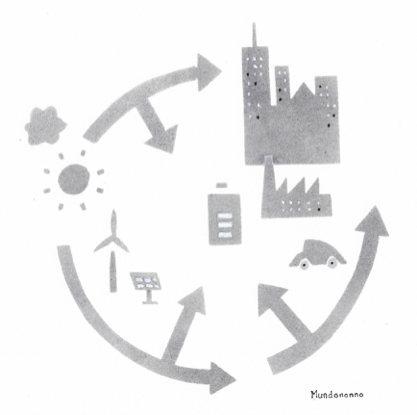
A large source of flexibility also remains unused on the demand side. Only around 100 GW of demand response was active globally in 2024, even though aluminium production contributed approximately 160 GW to peak demand and residential air conditioning around 600 GW. Mobilising even part of these controllable loads could reduce peak-capacity requirements, ease local constraints, and provide additional support during periods of stress. The scale of the challenge therefore extends beyond deploying more generation or storage; it includes activating the flexibility already embedded in industrial equipment, buildings, vehicles, and distributed energy assets. IEA, Electricity 2026: Flexibility
The resilience requirement grows as electricity becomes more important to cooling, mobility, communications, water services, healthcare, and industrial activity. Extreme weather can increase demand while simultaneously damaging generation, transmission, or distribution assets, turning an infrastructure disruption into a wider interruption of essential services. The World Bank estimates that reduced power use and lost electricity sales cost low- and middle-income countries approximately USD 120 billion annually, demonstrating why flexibility must be accompanied by technologies that preserve service, create redundancy, and accelerate recovery. World Bank, Powering through the Storm: Climate Resilience for Energy Systems
Flexibility operates across time, place, and function
A resource may be valuable because it responds within milliseconds, sustains output for several hours, absorbs surplus electricity, reduces demand, or delivers power in a constrained location. Evaluating flexibility therefore requires identifying the imbalance or disruption first, including how quickly it develops, how long it lasts, where it occurs, and which energy services must remain available.
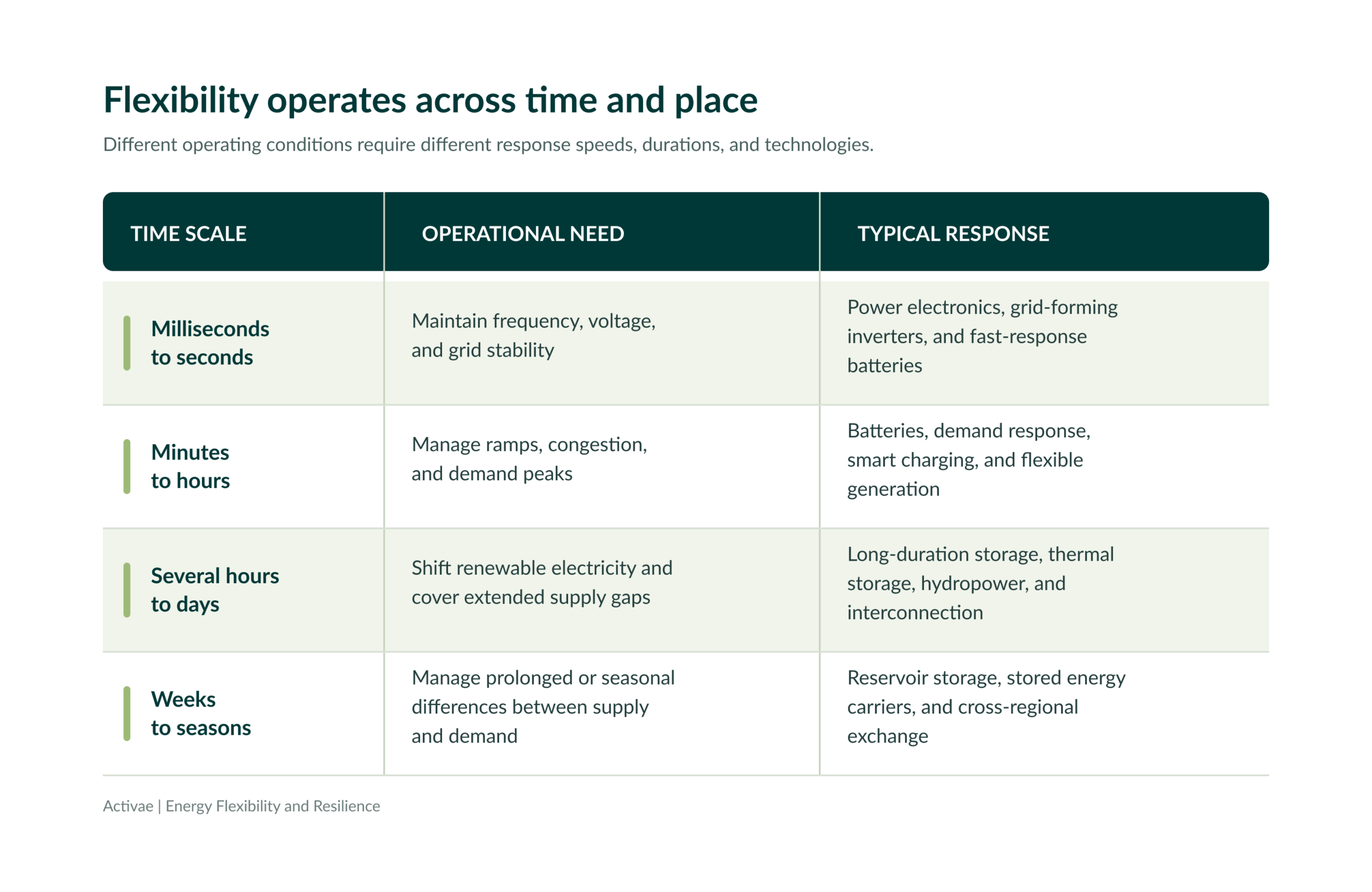
The required response time and duration determine whether a technology can perform a particular role. A battery designed to discharge at high power for one hour may respond effectively to a short demand peak, while a lower-power resource with ten hours of stored energy may be better suited to an extended period of low renewable generation. Power capacity indicates how much electricity a resource can deliver at one moment; energy capacity determines how long that delivery can continue. Both values must be considered alongside efficiency, degradation, charging availability, and expected frequency of use.
Location creates an additional constraint because flexibility only relieves pressure where the relevant assets can influence electricity flows. Shifting demand in one region may have little effect on a congested substation elsewhere, and stored electricity can only support a constrained network if it is connected on the appropriate side of the bottleneck. Distributed batteries, controllable building loads, electric vehicles, and industrial equipment can therefore provide particular value when they respond to local network conditions rather than solely to national demand patterns. Grid-enhancing technologies and interconnections address the same spatial challenge by redirecting electricity or increasing the usable capacity of existing infrastructure.
Resilience adds another set of performance requirements. A resource intended to support critical services during an outage must remain accessible after the wider network is disrupted, operate for the expected duration of the event, and coordinate safely with local generation and controls. Its value depends on the loads it can preserve and the conditions under which it can continue operating. A battery participating in daily electricity markets, for example, may also provide backup power, although this second function requires sufficient stored energy, islanding capability, appropriate control systems, and a defined strategy for prioritising essential loads.
These dimensions explain why energy flexibility requires a portfolio of complementary technologies. Fast resources stabilise immediate variations, longer-duration resources move electricity across time, demand-side technologies adjust consumption, and geographically distributed assets respond where constraints or disruptions occur. The appropriate combination depends on the operating conditions and services required in each application. IEA, Electricity 2026: Flexibility
Technologies enabling energy flexibility and resilience
Energy flexibility is created through coordinated interventions in energy availability, consumption, network capacity, and asset operation. The technologies within this family perform different roles, ranging from correcting immediate imbalances to maintaining local energy services during prolonged disruptions. Understanding what each technology changes clarifies where it creates value and why complementary solutions are often needed to integrate renewables, use existing infrastructure more effectively, and strengthen energy resilience.
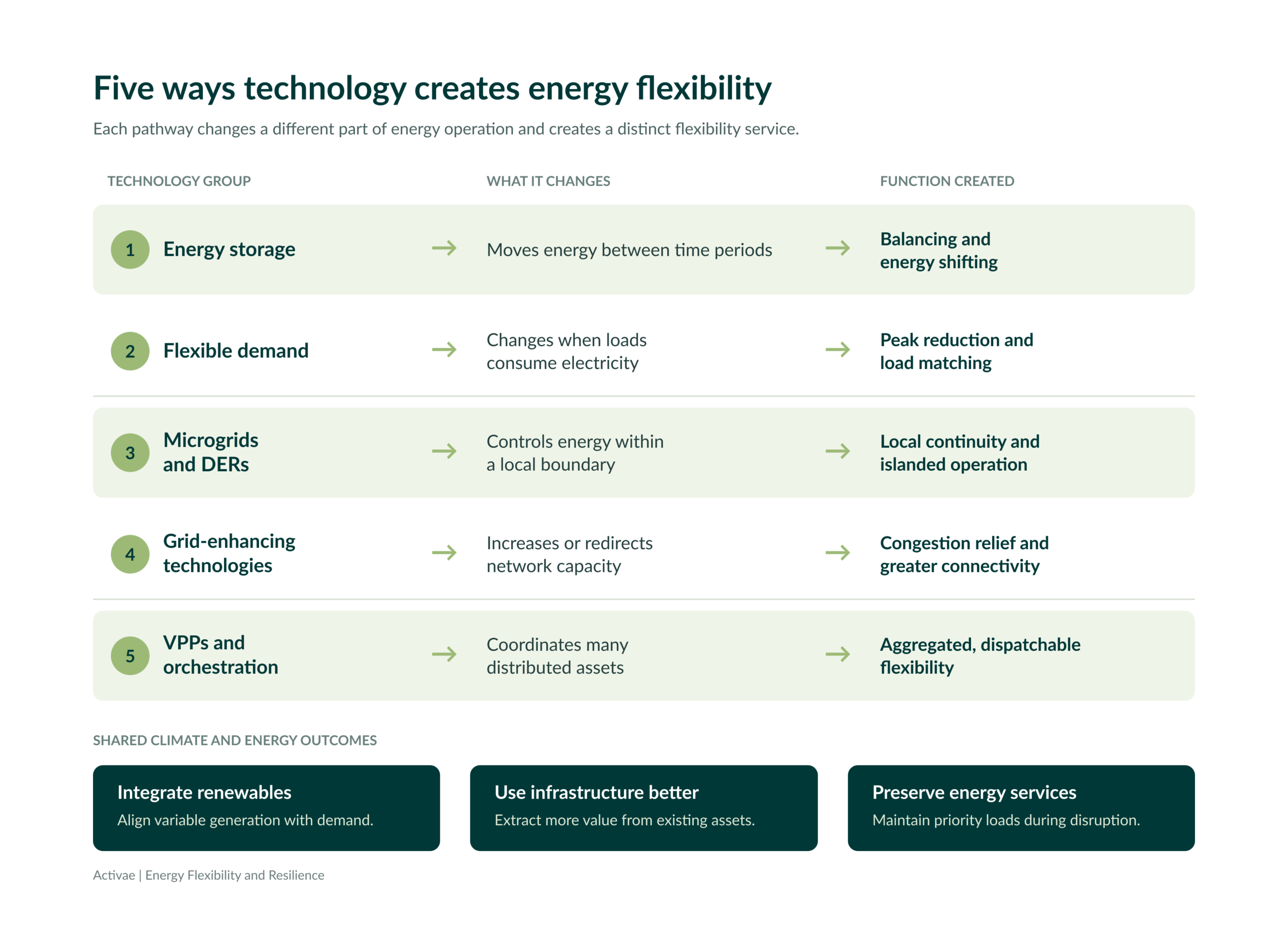
The value of each pathway depends on how closely its technical performance matches the operating need. Response speed, duration, location, controllability, and the ability to function during a disruption determine which technologies can provide useful flexibility in a particular application. In practice, projects often combine several pathways: storage can support a microgrid, while orchestration coordinates its distributed assets and flexible demand. The following case study shows how these capabilities can be integrated in a real operating environment to deliver reliable energy services.
Case study: Coordinating distributed energy in Onslow
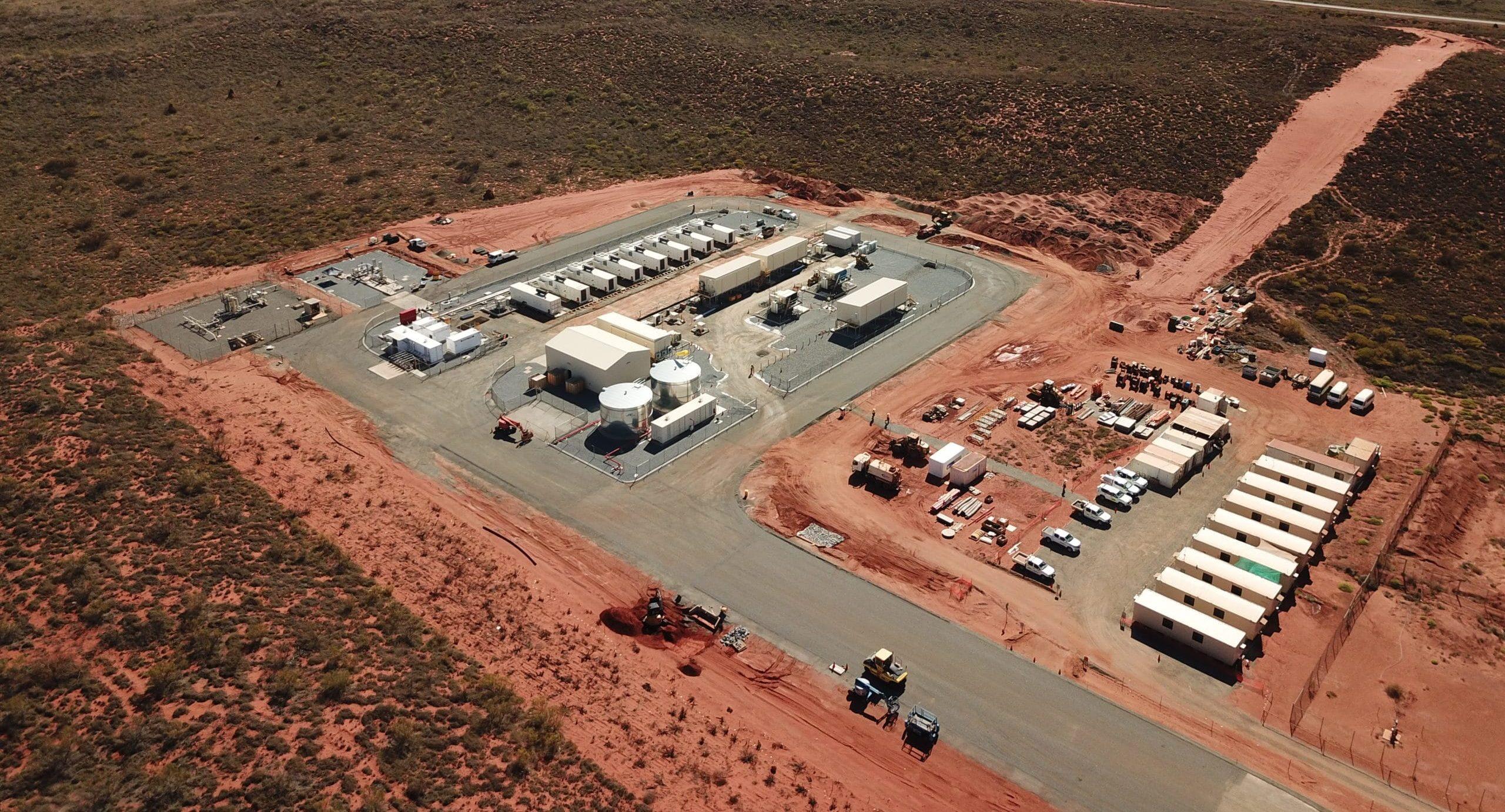
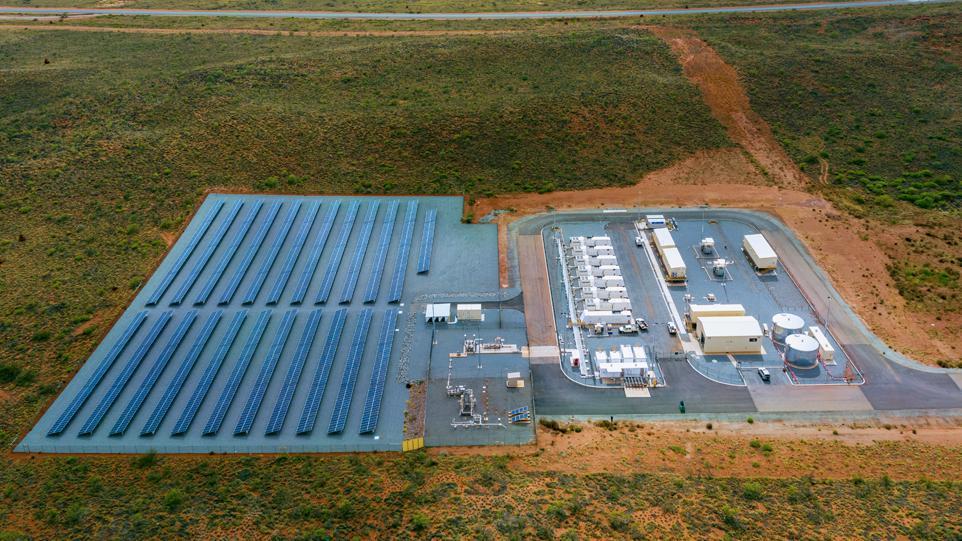
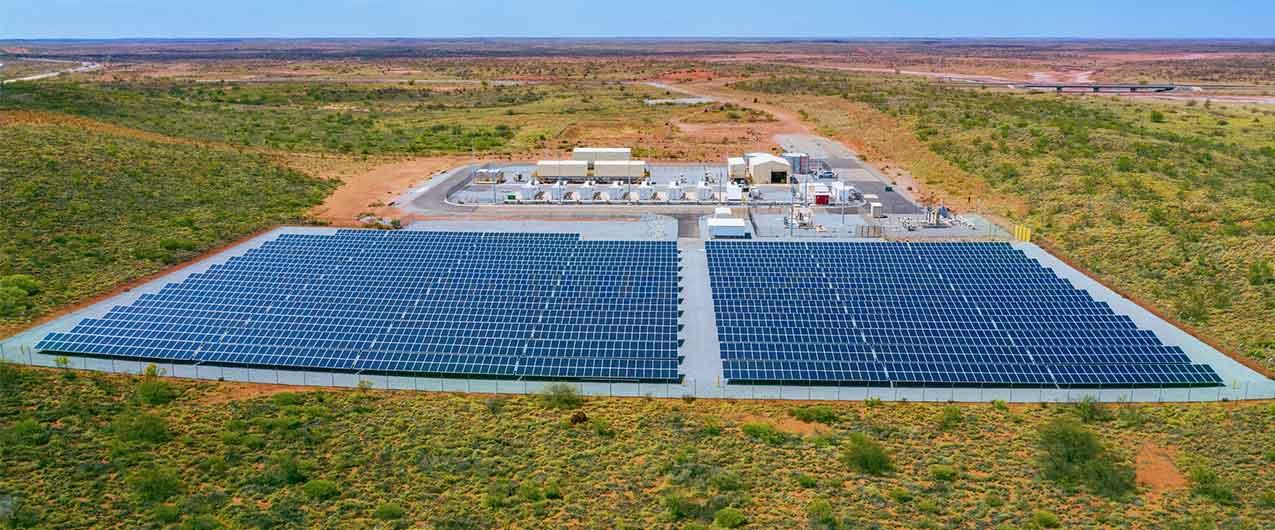
Onslow is a remote town in Western Australia supplied by a local microgrid combining gas and diesel generation, a 1 MW solar farm, two battery systems, and customer-owned rooftop solar and batteries. Because variations in distributed generation can quickly affect a small network, Horizon Power introduced a Distributed Energy Resources Management System (DERMS) to forecast conditions and coordinate these assets as a controllable portfolio. Horizon Power, Onslow Decarbonisation Project
During a demonstration in May 2021, the DERMS coordinated approximately 700 kW of customer-generated solar and 600 kW of utility solar, supported by battery storage. Together, these resources powered the Onslow microgrid with 100% renewable electricity for 80 minutes while maintaining network stability. The project showed how storage, distributed generation, microgrid controls, and orchestration can work together to deliver flexibility in a real operating environment. Horizon Power, Integrating Distributed Energy Resources
The trial demonstrated technical feasibility under controlled conditions, while continuous operation requires greater renewable capacity and longer storage duration. Renewable sources currently provide around 17% of Onslow’s electricity, and Horizon Power is assessing larger solar and battery configurations that could raise this share to between 42% and 80%. Onslow therefore illustrates a central lesson for this ClimaTech family: advanced controls can coordinate diverse energy assets, while sustained flexibility and resilience depend on the capacity, duration, and reliability of the complete infrastructure. Horizon Power, Onslow Decarbonisation Project
How energy flexibility creates value
The value of energy flexibility changes according to the actor using it and the operating condition it addresses. The same battery may help a grid operator balance supply and demand, allow a utility to relieve local congestion, reduce curtailment for a renewable generator, or protect a facility during an outage. Each application relies on the same underlying ability to adjust energy availability, although the expected service, performance requirements, and economic benefit differ. Identifying who benefits from a flexible resource is therefore essential for understanding how its technical capability can translate into operational, financial, and climate value.
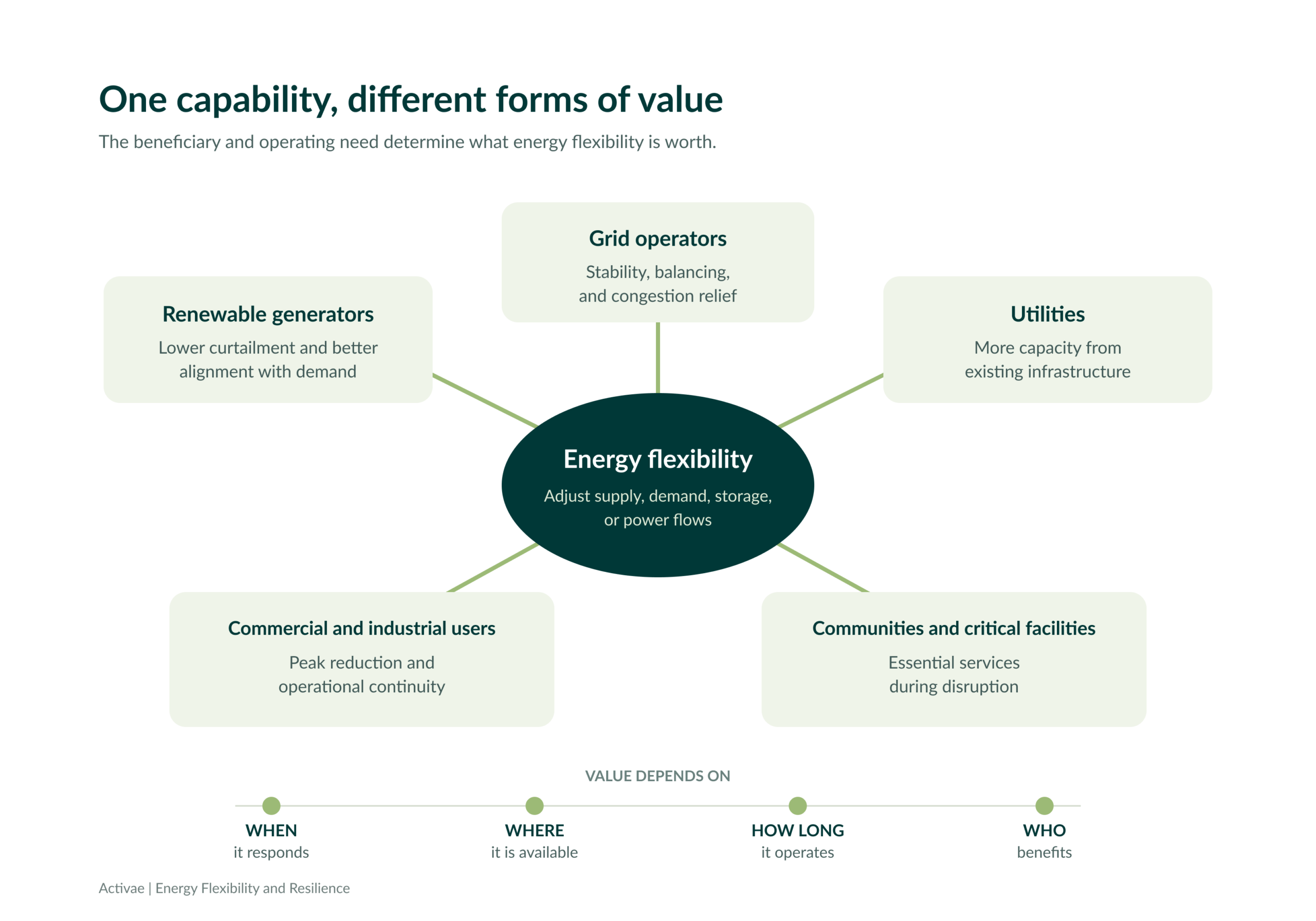
Because flexibility creates different forms of value across the energy ecosystem, its commercial opportunity is shaped by the service offered and the conditions under which it can be delivered. A solution designed to reduce industrial peak demand faces different performance, integration, and revenue requirements from one protecting a remote community or relieving transmission congestion. The startup landscape reflects this diversity, with companies developing specialised technologies for distinct users, time scales, and operating environments.
Evaluating energy flexibility and resilience technologies
Evaluating these technologies begins with the operating need they are expected to address. A resource designed to respond within seconds to frequency variations requires different capabilities from one intended to cover a multi-day energy shortage or maintain power during an outage. Response time, duration, available capacity, reliability, recovery time, and operating limits should therefore be assessed against a clearly defined use case.
Technical performance and defensibility. Evaluation should consider how quickly and consistently the solution can respond, how long it can sustain that response, and how its performance changes through repeated use. Storage degradation, communications latency, forecasting accuracy, equipment availability, and the ability to operate during extreme conditions can determine whether theoretical flexibility becomes dependable capacity. The assessment should also identify whether this performance is supported by proprietary science, engineering expertise, data, algorithms, system design, or intellectual property that competitors cannot easily reproduce. Technologies with limited differentiation are more exposed to commoditisation as markets mature, while a defensible technical advantage can support sustained performance and commercial relevance over time.
Integration, interoperability, and supply-chain exposure. Flexible resources must communicate with existing energy-management systems, utility platforms, market interfaces, and physical infrastructure. Compatibility with different equipment manufacturers, standard communication protocols, cybersecurity requirements, and legacy grid systems influences both adoption costs and operational reliability. Evaluation should also examine dependence on critical minerals, specialised components, single suppliers, or manufacturing capacity affected by supply bottlenecks. Alternative materials, multiple sourcing options, repairability, and compatibility with widely available components can reduce exposure to shortages and price volatility.
Economics and revenue. The business case may combine energy savings, grid-service payments, reduced curtailment, avoided infrastructure upgrades, and lower outage costs. A credible assessment should distinguish between contracted revenue, market-dependent income, and benefits that are valuable but difficult to monetise. Capital expenditure, operating costs, asset lifetime, maintenance, and financing requirements must also be considered.
Scalability and operational readiness. Growth depends on repeatable manufacturing, quality control, installation requirements, permitting, access to qualified personnel, and ongoing maintenance. Hardware solutions must demonstrate that performance can be maintained as production volumes increase and operating environments change. Software-based solutions face additional considerations around customer acquisition, device access, data quality, and the ability to operate across different electricity markets and regulatory environments.
Climate and resilience value. Climate impact should be measured against the energy source or infrastructure the solution replaces, including lifecycle emissions and rebound effects. Resilience value requires its own indicators, such as critical-load coverage, islanding capability, backup duration, hazard preparation, and the speed at which service can be restored.
A strong opportunity aligns these dimensions around a specific customer and operating environment. Technical capability, defensible differentiation, integration feasibility, supply-chain resilience, commercial incentives, and measurable climate value must reinforce one another for a solution to become a dependable part of energy infrastructure.
The technologies explored in this Deep Dive address different dimensions of that transition. Storage shifts energy across time, demand response adjusts consumption, microgrids protect local loads, grid-enhancing technologies increase the capacity of existing networks, and virtual power plants coordinate distributed resources. Their impact depends on how effectively they respond to real operating conditions and connect with the infrastructure, markets, and users around them.
As electricity systems become more distributed and exposed to new sources of variability, flexibility will increasingly determine how much clean energy can be integrated and how reliably it can reach users. Progress will come from combining complementary technologies and ensuring that each one can deliver measurable value when the grid is operating normally and when conditions become uncertain.
Related Posts

The interaction between microorganisms, soil, and crops
How microbial technologies support crop nutrition and what determines their…
Water stress in agriculture
Water constraints affect agricultural decisions well before a crop shows…
The resources behind a resilient city
Consider a city preparing for hotter, drier summers. Its water…