
ClimateTech: Understanding a Growing Ecosystem of Industrial Innovation
ClimateTech has emerged as one of the most dynamic areas of technological innovation, attracting growing attention from governments, industries, investors, and research institutions worldwide. Yet despite its increasing visibility, the term often encompasses a broad and diverse set of technologies operating across multiple sectors, making it difficult to define where ClimateTech begins and where it ends.
At its core, ClimateTech refers to science- and engineering-based technologies designed to address some of the most significant environmental and resource challenges facing modern economies. These technologies operate across industrial production systems, infrastructure networks, agricultural value chains, transportation systems, and natural resource management, where they contribute to reducing greenhouse gas emissions, improving resource efficiency, removing carbon dioxide from the atmosphere, or strengthening the resilience of critical systems exposed to climate-related risks.
ClimateTech functions as a technological ecosystem that brings together innovations from fields such as advanced materials, industrial manufacturing, biotechnology, carbon management, water systems, agriculture, infrastructure, and digital engineering. What connects these technologies is their ability to create measurable improvements in how societies produce, move, build, and manage essential resources while operating under increasingly complex environmental and industrial constraints.
The scale of this opportunity is reflected in the challenges these technologies aim to address. Industrial activities remain a major source of global emissions, while water systems, food production, transportation networks, and critical infrastructure face growing pressure from resource limitations, extreme weather events, and increasing operational complexity. At the same time, industries are being pushed to improve productivity, strengthen supply chains, secure strategic resources, and maintain reliable operations in a rapidly changing environment.
As a result, ClimateTech is becoming an important source of innovation across both industrial transformation and system resilience. Understanding the technologies that make up this ecosystem provides insight into how future production systems, infrastructure networks, and resource-intensive industries may evolve over the coming decades.
This article explores the main technological domains within ClimateTech, examining how different scientific and engineering innovations contribute to decarbonization, resource management, infrastructure resilience, and industrial competitiveness.
ClimateTech encompasses a wide range of technologies, but most solutions can be grouped into two broad technological domains.
The first focuses on reducing or avoiding greenhouse gas emissions across industrial and economic systems. These technologies transform how energy-intensive products are manufactured, how materials are produced, how food is grown, and how resources move through supply chains. Their objective is to reduce the accumulation of greenhouse gases while improving the efficiency and performance of production systems.
The second focuses on increasing the resilience of critical systems exposed to environmental stress. Water infrastructure, transportation networks, industrial facilities, agricultural systems, and urban environments are increasingly required to operate under more variable conditions. Technologies within this domain help monitor, protect, adapt, and maintain the continuity of these systems.
Together, these two domains encompass most of the technologies currently classified as ClimateTech. Understanding their internal structure helps clarify why the sector spans such a diverse range of scientific disciplines and industrial applications.
Why ClimateTech Matters Today
Economic growth, industrial productivity, and societal well-being depend on the ability of critical systems to operate reliably over time. Manufacturing facilities, transportation networks, agricultural production, water infrastructure, and supply chains form the foundation upon which modern economies function. As these systems become more interconnected and resource-intensive, maintaining their performance requires new approaches to efficiency, resilience, and resource management.
At the same time, industries are facing increasing pressure from multiple directions. Access to strategic resources, exposure to supply-chain disruptions, infrastructure vulnerabilities, resource constraints, and rising operational costs have become important considerations for both public and private decision-makers. These challenges are not limited to individual sectors; they affect the broader ability of economies to maintain production capacity, secure essential resources, and support long-term industrial development.

ClimaTech almost feels like the superhero of today’s industrial challenges—the ecosystem expected to solve some of our most pressing environmental, economic, and infrastructure problems.
Within this context, ClimateTech has emerged as a technological ecosystem focused on improving how critical systems operate. ClimateTech encompasses innovations that contribute to more efficient production processes, better resource utilization, stronger infrastructure, and greater operational continuity across a wide range of economic activities.
Several concepts increasingly shape discussions around these technologies.
Competitiveness refers to the ability of industries and economies to maintain productivity, manage costs, and adapt to changing market conditions. Technologies that improve efficiency, reduce resource intensity, and strengthen industrial capabilities can directly influence competitive performance.
Sovereignty relates to the capacity of nations and regions to secure access to strategic resources, technologies, infrastructure, and industrial capabilities that are essential for economic stability and development.
Self-sufficiency focuses on reducing vulnerabilities associated with external dependencies by strengthening local or regional capabilities in areas such as manufacturing, resource management, infrastructure, and food production.

The world needs ClimateTech more than ever.
Resilience refers to the ability of systems to continue functioning, adapt, and recover when exposed to disruptions, whether caused by environmental events, resource constraints, infrastructure failures, or supply-chain interruptions.
Together, these priorities are influencing how governments, industries, and investors evaluate technological innovation. ClimateTech increasingly sits at the intersection of these objectives, providing a broad portfolio of solutions designed to strengthen the systems that support economic activity and industrial development.
Unlike many technology categories that are associated with a specific industry, ClimateTech spans multiple sectors and economic activities. The technologies grouped under this ecosystem operate across production systems, infrastructure networks, resource management processes, and industrial value chains, often addressing challenges that extend beyond the boundaries of a single market or sector.
This broad scope reflects the nature of the systems ClimateTech seeks to improve. Industrial facilities depend on reliable access to materials, energy, water, transportation, and logistics. Agricultural production relies on healthy soils, water availability, infrastructure, and supply-chain connectivity. Cities depend on transportation networks, water systems, buildings, and critical infrastructure working together to support economic and social activity. Because these systems are interconnected, technological innovation often needs to operate across multiple layers simultaneously.
As a result, ClimateTech encompasses a diverse set of domains.
Industrial production systems focus on improving manufacturing processes, material efficiency, industrial operations, and resource utilization across sectors such as chemicals, construction, metals, and advanced manufacturing.
Agriculture and food systems include technologies designed to improve productivity, optimize resource use, strengthen production systems, and support food security across increasingly complex agricultural environments.
Water systems encompass technologies related to water treatment, reuse, distribution, monitoring, flood management, and freshwater security.
Transport and logistics systems include innovations that improve the efficiency, reliability, and continuity of mobility networks, freight operations, and supply-chain infrastructure.
Infrastructure and built environments cover technologies that support the monitoring, protection, maintenance, and resilience of critical assets such as buildings, industrial facilities, utilities, and transportation infrastructure.
Carbon management systems focus on technologies capable of reducing, capturing, managing, or removing greenhouse gas emissions across industrial and environmental systems.
Together, these domains illustrate the breadth of ClimateTech. It serves as a framework for understanding how innovation is being applied across the systems that support industrial activity, resource management, and economic development.
ClimateTech encompasses a broad ecosystem of technologies operating across industrial production, agriculture, water systems, infrastructure, transportation, and carbon management. While these technologies address different challenges and serve different markets, they share a common objective: improving the performance, efficiency, and resilience of the systems that support modern economies.
As governments, industries, and investors seek solutions capable of strengthening industrial capabilities, securing critical resources, and supporting long-term economic development, ClimateTech continues to expand as an area of scientific, engineering, and industrial innovation. Understanding the scope of this ecosystem is an important first step toward understanding the technologies that are shaping its evolution.
At Activae, we view ClimateTech as a systems-level ecosystem where scientific innovation, industrial deployment, infrastructure, and capital must evolve together. Understanding individual technologies is important, but understanding how those technologies interact with markets, industrial systems, regulatory environments, and deployment pathways is equally critical.
Our work focuses on helping organizations navigate this complexity by identifying emerging technological opportunities, assessing industrial relevance, and connecting innovation with real-world adoption pathways. Through research, strategic analysis, and ecosystem development, we aim to contribute to a deeper understanding of the technologies shaping the future of industrial competitiveness, resource management, and resilient economic systems.
In the following article, we will explore some of the key technologies driving ClimateTech today and examine how they contribute to both competitiveness and sustainability across industrial and economic systems.
Beyond the technologies themselves, here are several organizations that are helping shape the ClimateTech ecosystem through research, venture creation, incubation, acceleration, investment, and industrial deployment. Understanding these actors is essential to understanding how ClimateTech innovations move from the laboratory to large-scale implementation.
The Yield Lab
Global venture capital firm and accelerator focused on early-stage AgriFoodTech startups developing technologies for sustainable and resilient food systems.
Breakthrough Energy
Climate innovation platform founded by Bill Gates that supports ClimateTech through investment funds, policy initiatives, fellowships, and commercialization programs for breakthrough technologies.
Catal1.5°T Initiative
Global initiative that accelerates industrial decarbonization by connecting corporations, startups, investors, and policymakers to scale climate solutions aligned with the 1.5°C pathway.
European Innovation Council (EIC)
European Union program that funds and supports breakthrough technologies and high-risk DeepTech ventures from research through commercialization and scale-up.
Climate-KIC
Europe’s largest climate innovation community, supporting entrepreneurship, systems innovation, education, and public-private collaboration to accelerate climate solutions.
Third Derivative
Global ClimateTech accelerator created by RMI and New Energy Nexus that helps startups scale by connecting them with investors, corporate partners, mentors, and pilot opportunities.
Authors

Maria Lozoya
Associate emerging technologies

Diego Santamaria Razo
Managing Director
Related Posts

Deep Diving into Transport, Logistics, and Cold Chain
A temperature-controlled product is only as protected as the weakest…

Deep Diving into Agriculture and Food System
Feeding the world depends on agricultural systems capable of withstanding…
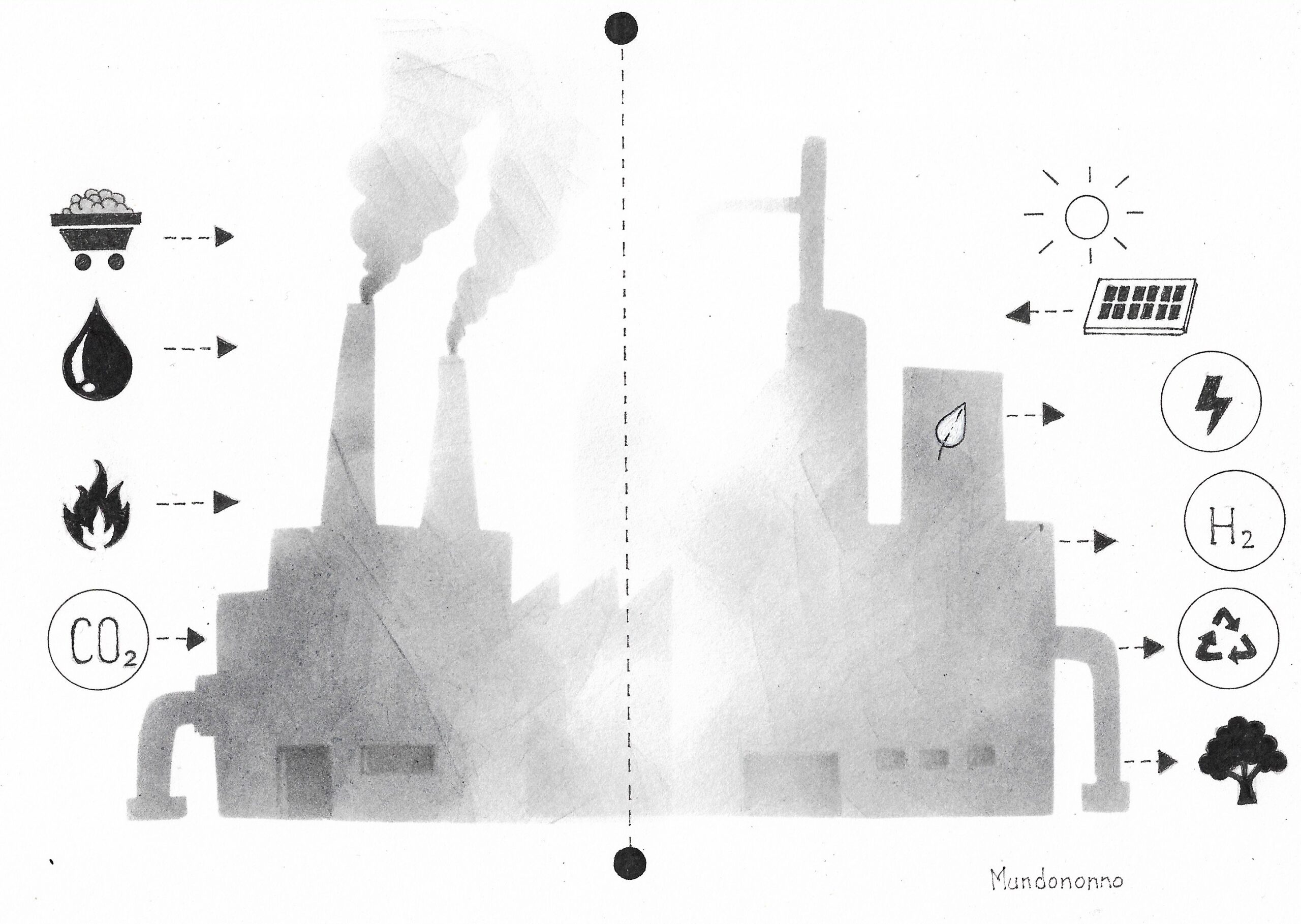
Deep Diving into Industrial Processes and Manufacturing
How clean heat, electrification, hydrogen, alternative chemistries, and carbon management…