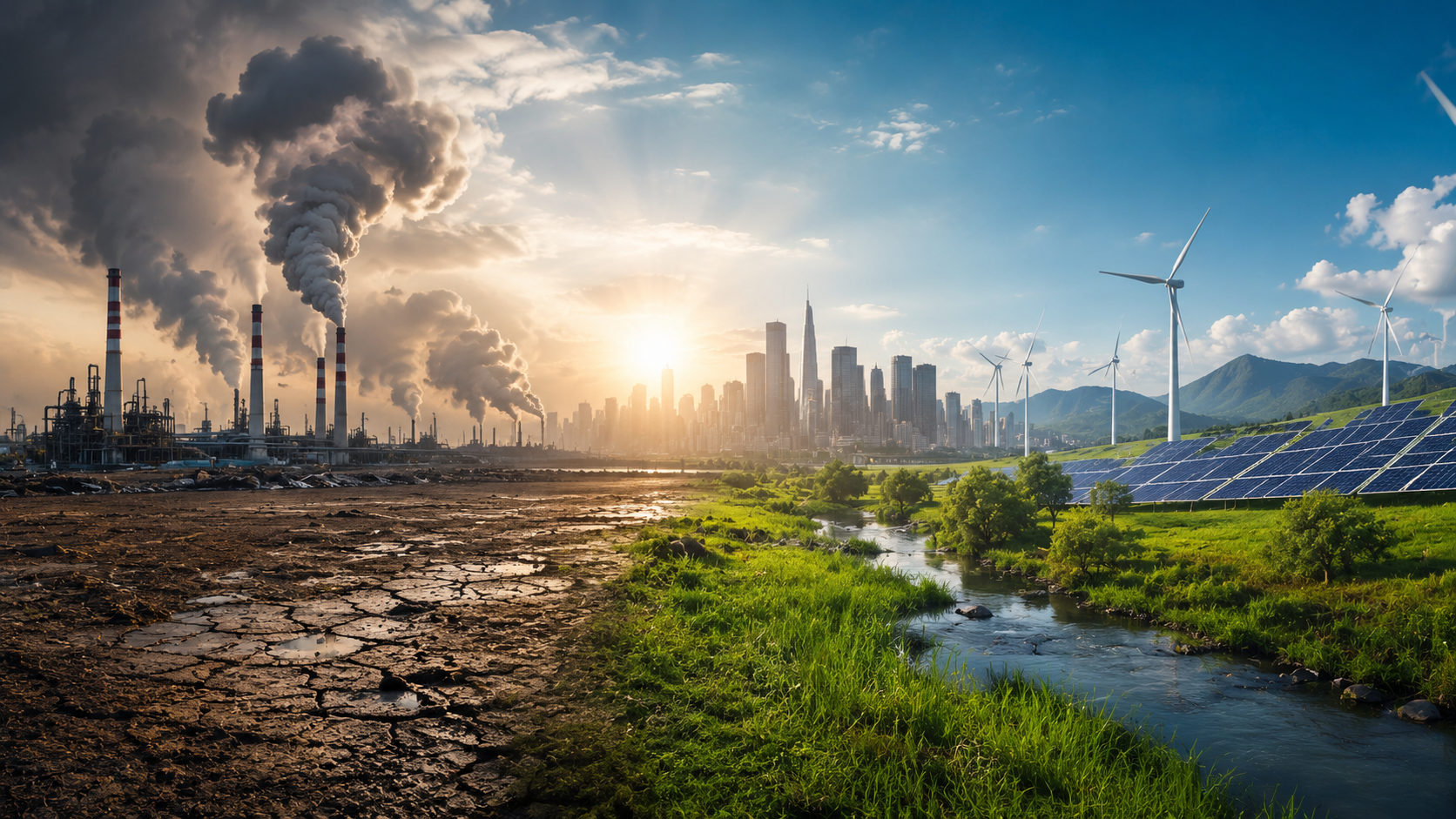
Building flexible mobility system is a must. Let’s start today.
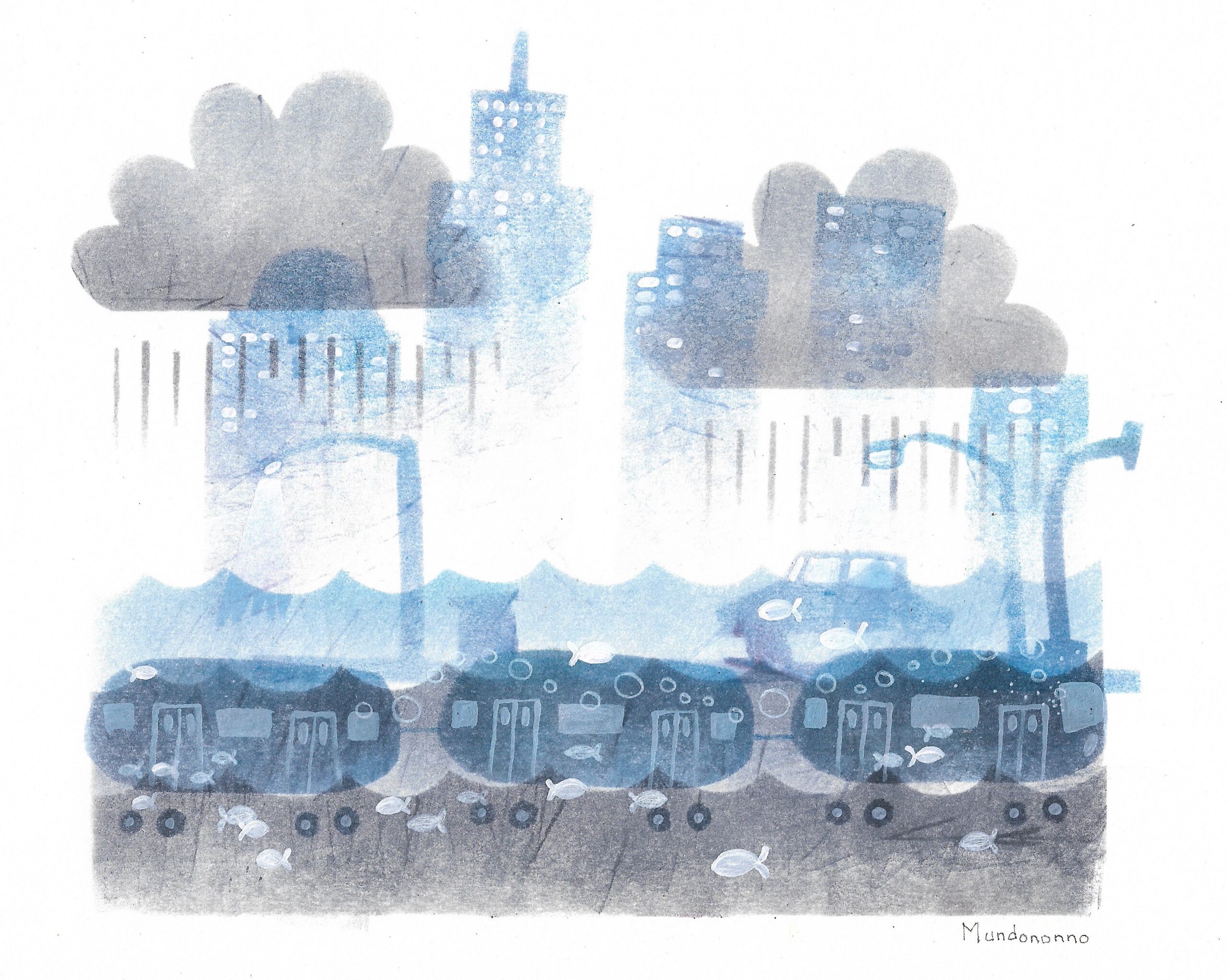
Climate-resilient transport infrastructure depends on how effectively existing systems can adapt, coordinate, and respond under changing conditions. The opportunity extends beyond building new assets. Cities, operators, and infrastructure managers can strengthen A&R by modernizing current networks, improving operational visibility, and creating greater flexibility across mobility systems.
Climate resilience as a designing principle for transport infrastructure
As discussed in our previous article on climate adaptation and infrastructure planning, adaptation and resilience (A&R) is increasingly becoming a core requirement. Transport infrastructure has traditionally been designed around efficiency, connectivity, and economic growth. Roads, railways, ports, and transit networks have enabled the movement of people and goods that support modern economies. However, increasing environmental volatility is exposing vulnerabilities across these systems.
As these disruptions become more common, A&R is emerging as a critical consideration in infrastructure planning and management. The challenge extends beyond protecting individual assets from damage. Transport systems must be able to maintain essential functions, recover from disruptions, and adapt to changing conditions while continuing to support the cities and industries that depend on them.[1][2][3]
What transport infrastructure includes
Transport infrastructure is often associated with physical assets such as roads, bridges, tunnels, railways, airports, and ports. While these components remain essential, mobility systems rely on a much broader network of interconnected infrastructure.
Traffic management platforms, communications networks, logistics hubs, monitoring systems, fuel supply, and supporting energy infrastructure all contribute to the movement of people and goods. Digital technologies increasingly coordinate traffic flows, monitor asset conditions, and enable real-time operational decisions. Freight transportation depends on the integration of multiple transport modes, while public transit systems rely on information networks that help operators respond to changing demand.
Understanding transport infrastructure as a connected system is fundamental to A&R. The performance of mobility networks depends on the ability of these physical and digital layers to function together under a wide range of conditions. [4][5]
What makes transport infrastructure flexible?
Flexiblity must be related everytime to resilience, for transport systems it shouldn’t be described only as the ability to withstand disruption, it involves a broader set of capabilities like:[6]
- Adaptability
Resilient infrastructure can adjust to changing circumstances without losing critical functionality. Traffic can be redirected when routes become unavailable, transit services can be modified in response to disruptions, and logistics operations can shift across alternative corridors when necessary. Materials used are resistant to higher temperatures, structures are designed to withstand heavy rains
- Visibility
Effective decision-making requires real-time awareness of system conditions. Monitoring technologies, environmental sensors, and infrastructure analytics help operators identify risks, understand vulnerabilities, and respond before disruptions escalate into larger failures.
- Redundancy
Networks become more resilient when multiple pathways exist for moving people, goods, and services. Alternative routes, multimodal transport options, and distributed logistics systems provide flexibility when individual assets are temporarily unavailable.
- Interconnection
Mobility systems operate alongside energy networks, urban services, emergency response systems, and supply chains. Resilience depends on coordination across these sectors, allowing organizations to share information and respond collectively when disruptions occur.
Building Resilience Without Rebuilding Cities
A significant portion of the infrastructure that will support mobility in the coming decades already exists today. For many cities and regions, A&R will depend less on large-scale construction projects and more on improving the performance, visibility, and adaptability of existing assets.
One approach is digital retrofitting, where sensors, monitoring systems, and connectivity are added to infrastructure that was originally designed without these capabilities. These upgrades can provide valuable operational insights without requiring extensive reconstruction. Companies such as Nexar[6] demonstrate this potential by using connected vehicle data and computer vision to generate real-time information on road conditions, traffic patterns, and infrastructure performance, helping cities improve operational awareness through existing networks.
Predictive maintenance offers another opportunity to strengthen A&R. By combining infrastructure monitoring with data analytics and machine learning, operators can identify vulnerabilities before failures occur, reducing downtime and extending the lifespan of critical assets. RailVision[7], for example, develops AI-based monitoring systems for rail networks that help operators detect obstacles, assess track conditions, and improve operational reliability across existing infrastructure.
A&R also depends on the ability to anticipate disruption before it affects operations. Climate-informed decision-making is becoming increasingly important as transport systems face greater environmental uncertainty. Companies such as Tomorrow.io[8] provide weather intelligence and predictive environmental data that support transportation operators, logistics providers, and public agencies in preparing for extreme weather events and adapting operations in real time.
At the network level, integration across transport modes can increase flexibility and reduce dependence on individual assets. Coordinated mobility systems allow passengers and freight to shift between different services when disruptions affect a particular route or corridor. Via[9] develops software platforms that help cities coordinate public transit, on-demand mobility, and shared transportation services, improving the ability of transport systems to respond dynamically to changing conditions.
A&R can also be strengthened through improvements to the materials that support critical infrastructure. Extending the lifespan and performance of existing as sets reduces exposure to disruption while lowering long-term maintenance requirements. Neste, [10] a Finnish company and global leader in renewable and circular solutions, is developing sustainable fuels and renewable feedstocks for transportation, aviation, plastics, and chemicals.
Together, these approaches illustrate how transport A&R can be achieved through strategic modernization, operational intelligence, and system integration. [11][12]
Nexar
Nexar develops AI-powered mobility and road intelligence solutions using connected dashcams and real-world driving data. Its platform helps improve road safety, fleet management, autonomous vehicle development, and smart city operations through large-scale visual data networks.
Rail Vision
Rail Vision provides AI-based vision and sensing systems for railways, enabling real-time obstacle detection, collision prevention, and enhanced operational safety. Its technology helps rail operators improve reliability and reduce disruptions under diverse weather and lighting conditions.
Tomorrow.io
Tomorrow.io is a weather intelligence company that combines satellite data, AI, and advanced forecasting models to deliver actionable weather insights. Its platform supports decision-making across sectors such as aviation, logistics, energy, defense, and climate resilience.
Via
Via develops technology for on-demand and shared mobility systems. Its software helps cities, transit agencies, and transportation operators optimize public transport, microtransit, paratransit, and shared mobility services through dynamic routing and real-time fleet management.
Neste
Neste is a global producer of renewable fuels and sustainable feedstocks. The company develops solutions including renewable diesel, sustainable aviation fuel (SAF), and circular economy materials to support the decarbonization of transportation, aviation, and industrial sectors.
Many of the approaches discussed so far are enabled by digital technologies that improve visibility, coordination, and operational decision-making across existing transport networks. However, transport A&R is not limited to software, data platforms, or predictive analytics. Physical infrastructure remains the foundation of mobility systems, and a growing number of companies are developing materials, construction methods, and engineering solutions designed to improve the durability, adaptability, and long-term performance of critical assets.

MacRebur
Recycled plastic additives for asphalt, improving road durability while reducing plastic waste.
Fortera
Low-carbon cement technology that works with existing cement infrastructure.
BeNewtral
At Activae, we see transport A&R as part of a broader transition in how infrastructure is conceived, managed, and upgraded. This requires a different way of thinking about innovation. For a longer period we have been trying to enter the transition by focusing exclusively on identifying gaps and developing solutions, and those metrics are still important but we must improve our ability to understand systems, dependencies, and constraints. Resilience emerges when technologies, institutions, industries, and communities are capable of adapting together instead of optimizing independently.
For us, this is one of the most important dimensions of the transition ahead. The future will not be built only by inventing new technologies, but by helping existing technologies find the environments, markets, and partnerships where they can have the greatest impact. In many cases, this may require redirecting a technology from its original path toward a more relevant opportunity. Adaptation, in that sense, is an infrastructure and innovation challenge.
The organizations that succeed in the coming decades will those that develop the capacity to evolve alongside it, and completely understadn what flexibility could do for their initiatives.
References
1. IPCC (2023). Climate Change 2023: Synthesis Report.
2. OECD (2018). Climate-Resilient Infrastructure.
3. UNDRR (2022). Global Assessment Report on Disaster Risk Reduction.
4. World Economic Forum (2023). The Future of Resilient Infrastructure.
5. National Infrastructure Commission (2020). Anticipate, React, Recover: Resilient Infrastructure Systems.
6. https://www.getnexar.com/
7. https://railvision.io/
8. https://www.tomorrow.io/
9. https://ridewithvia.com/
10. https://www.neste.com/
11. World Bank (2021). Resilient Transport Systems: Policy and Practice.
12. Asian Development Bank (2022). Climate-Proofing Transport Infrastructure.
Authors

Maria Lozoya
Associate emerging technologies

Diego Santamaria Razo
Managing Director
Related Posts

ClimateTech: Understanding a Growing Ecosystem of Industrial Innovation
ClimateTech has emerged as one of the most dynamic areas…

The Future of Mobility Depends on Climate Resilience
Modern transport infrastructure for decades was designed under an assumption…