
Nature Inspire Innovation: Algal Cultivation
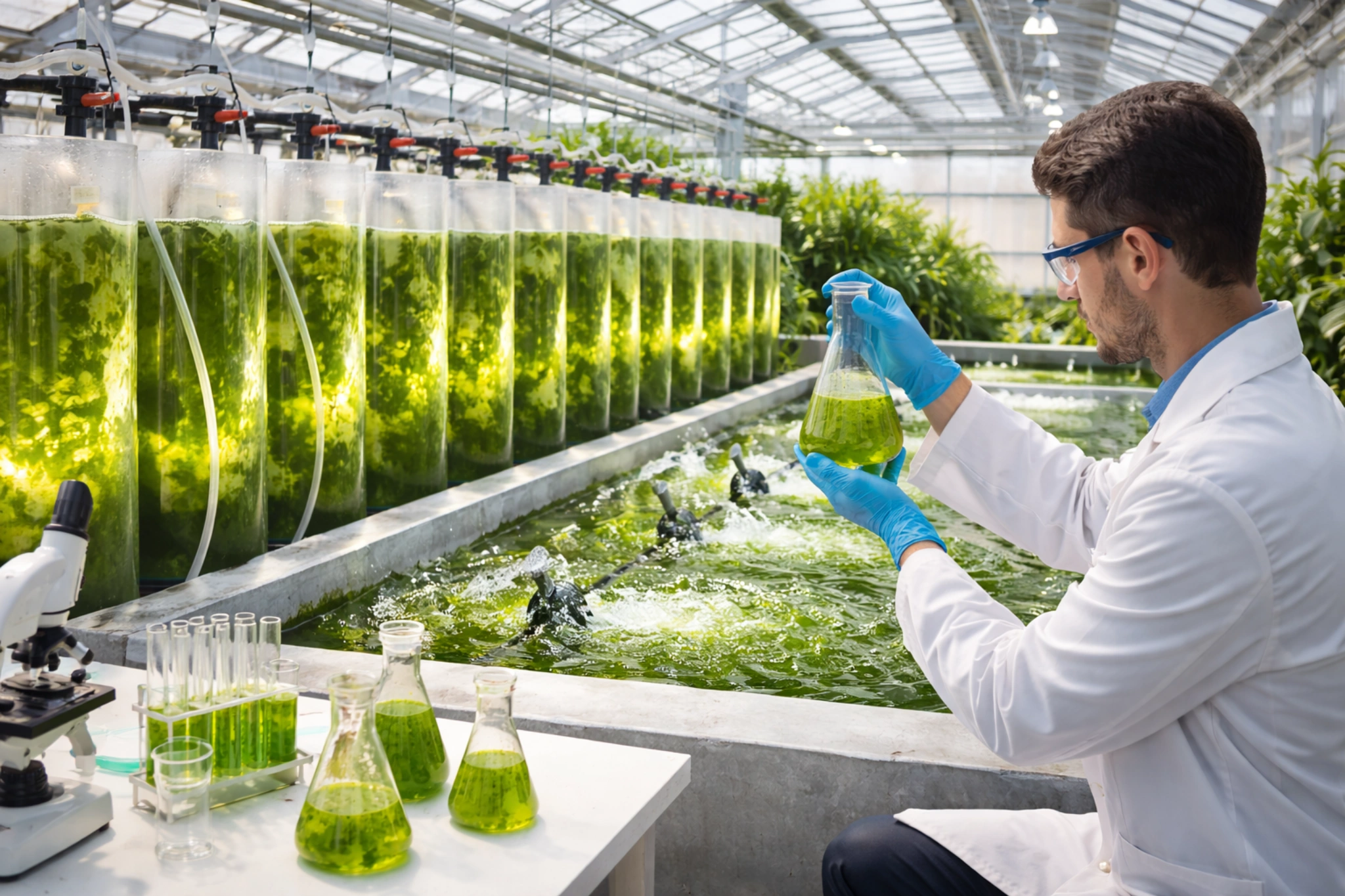
At the intersection of nature and innovation, vermicomposting shows how small biological processes can unlock big shifts in circularity, turning organic residues into a foundation for healthier ecosystems and economies.
Cities today are growing faster than the infrastructure built to support them. Every day, vast amounts of resources end up as waste, traveling long distances to centralized facilities. This linear model — take, use, dispose — is reaching its limits: logistics costs are rising, environmental regulations are tightening, and climate impact is now a direct factor in business competitiveness[1].
Organic waste is one of the biggest challenges. It represents 30–50% of municipal solid waste, is costly to collect and transport, and generates significant methane emissions in landfills[1]. At the same time, regulations such as the EU’s mandatory bio-waste separation (2024) are accelerating the shift toward circular solutions[2].
For forward-thinking companies, this is more than a compliance issue — it’s a strategic opportunity to innovate, reduce risk, and build resilience. Emerging biological, nature-inspired and tech-driven solutions are proving that organic waste can be upcycled into energy, fertilizers, proteins and biomaterials[3].
At Activae, we group these solutions into three complementary pathways:
- Biological (e.g. composting, fermentation): low CAPEX, emission reduction, nutrient recovery.
- Nature-Inspired (e.g. insect larvae, microbial bioconversion): protein and biomaterial production.
- Tech-Driven (e.g. thermochemical, electrochemical): high-value outputs for industrial use.

A1: ¨Alga Roja¨
The red forms—symbolizing blooming microalgae—rise above the skyline like organic smoke, blurring the line between pollution and potential. Below, green arrows encircle the city, hinting at biochemical flows, carbon capture, or nutrient cycling. It’s a visual metaphor for how nature-based technologies like algae can reshape urban metabolism.
Their modularity and decentralization make them especially relevant for business: they reduce costs, lower regulatory risks, and open new revenue streams. Real transformation comes from strategically combining these technologies to address different waste types and business goals — moving from passive waste management to local value creation and competitive advantage[4].
Within this landscape, algal cultivation stands out as a uniquely powerful pathway.
Its ability to convert light, CO₂, and nutrient-rich side streams — including wastewater, food residues, and other dilute organic effluents — into high-value biomass positions it as a bridge between environmental management and new bio-based markets. Unlike other technologies, algae do not compete for arable land or freshwater, can operate on low-grade waste nutrients, and generate products ranging from proteins and pigments to biofertilizers and biofuels. These characteristics make algal cultivation especially attractive for companies seeking low-footprint, modular, and visibly circular solutions. For businesses, the strategic value lies in its versatility: microalgae can simultaneously remove nutrients, capture carbon, and produce marketable outputs in a single integrated process. This turns previously costly waste streams into biological feedstock, reduces exposure to tightening nutrient-discharge regulations, and supports the development of new product lines in food, cosmetics, agriculture, and materials. As cities and industries move toward localized, closed-loop systems, algae offer a pathway that combines environmental compliance with tangible economic opportunity.
The following sections explore algal cultivation in depth — its technical mechanisms, operational models, emerging applications, and how organizations can leverage it to build more resilient, regenerative, and competitively positioned value chains.

A2: “Alga Verde”
Banana peel, apple core, watermelon rind, and citrus skin fall gently into a darkening layer—where algae await below. The gradient from teal to black evokes depth or decomposition, suggesting that what is discarded at the top becomes nutrients at the bottom. The leafy algae rising from the base point to regeneration: a visual metaphor for how organic matter—often seen as waste—is transformed into biological growth through algae-based systems. Nature doesn’t waste—everything becomes feedstock.
Algal cultivation refers to the intentional growth of microalgae in controlled or semi-controlled systems to produce biomass rich in lipids, proteins, carbohydrates, pigments, vitamins, antioxidants, and other bioactive compounds. Because algae can rapidly transform sunlight, carbon dioxide, and nutrients into large amounts of biomass, they are considered one of the most efficient biological platforms for producing renewable raw materials.(5) Today, algal biotechnology supports industries such as biofuels, pharmaceuticals, nutraceuticals, cosmetics, functional foods, aquaculture feed, bioplastics, and wastewater treatment, positioning algae as a cornerstone of the circular bioeconomy.(6) Cultivation approaches fall into two broad categories:
1. Open systems, which rely heavily on natural conditions such as sunlight, ambient temperature, and atmospheric CO₂. These systems—open ponds, raceways, and high-rate algal ponds—are relatively low-cost and easy to scale, but they offer limited control and are highly susceptible to contamination from other microorganisms, predators, or invasive species. Environmental variability also makes it harder to maintain stable productivity.(7)
2. Closed systems, commonly known as photobioreactors (PBRs), enclose the culture in transparent vessels where temperature, illumination, CO₂ input, mixing, and sterility can be precisely regulated. Although closed systems require higher capital investment, they enable consistent, high-quality production of sensitive or high-value algal strains for applications such as pharmaceuticals, nutraceuticals, and cosmetics.(8)
Regardless of the cultivation mode, algal growth is fundamentally shaped by key environmental and operational factors, each of which plays a decisive role in productivity, biochemical composition, and system stability(9):
Temperature
Most algal species grow optimally between 20°C and 30°C. Within this range, cellular metabolism, photosynthetic reactions, and enzymatic activities function efficiently. When temperatures fall below the species’ minimum threshold, growth slows sharply; when temperatures rise too high, enzymes denature and cells can quickly die(10).
- In closed systems, temperature is actively managed using heaters, chillers, or insulating materials to maintain constant thermal conditions.
- In open systems, temperature follows outdoor fluctuations, which can stress cultures, reduce productivity, or limit year-round operation(8).
Light Exposure and Mixing
Light is the primary energy source for algal photosynthesis. Light intensity, duration, and spectral quality directly determine the rate at which algae can convert CO₂ into biomass. However, too much light can cause photo-inhibition, while too little reduces growth(6).
Continuous mixing is equally critical: it keeps cells in suspension, prevents shading, ensures uniform light exposure, enhances nutrient distribution, and supports gas exchange(11).
- Closed photobioreactors can use artificial or optimized lighting systems and controlled agitation to maintain ideal illumination profiles.
- Open ponds depend on sunlight and mechanical paddle wheels; cloud cover, water turbidity, or seasonal changes can significantly impact growth.
Nutrient Availability
Algae require a consistent supply of nitrogen, phosphorus, iron, and trace minerals to synthesize proteins, membranes, pigments, and other cellular components(10).
- Nutrient deficiencies reduce biomass yield and alter biochemical composition (e.g., shifting metabolism toward lipid accumulation under nitrogen limitation).
- Nutrient excess can cause unwanted microbial blooms or allow competing species to overtake the culture.(9)
- Common nutrient sources include chemical fertilizers, agricultural runoff, and nutrient-rich wastewater—creating opportunities for algae-based wastewater treatment alongside biomass production.(5)
Oxygen Levels
During peak photosynthesis, algae generate significant amounts of oxygen. If not removed, this oxygen can accumulate to inhibitory levels, damaging cells and slowing metabolism.(9)
- Closed systems require built-in degassing mechanisms or controlled mixing to release oxygen.
- Open systems typically rely on natural exchange with the atmosphere, although stratification and stagnation can still create oxygen hotspots.(8)
Mixing conditions
Poorly mixed or stagnant cultures can develop anaerobic zones where oxygen is depleted. These zones promote the formation of foul-smelling compounds, indicating reduced system health, microbial imbalance, or inadequate aeration. Effective mixing and oxygen control are essential not only for performance but also for odor prevention—especially in large outdoor installations.
By integrating biological principles with environmental control and engineering design, algal cultivation systems can be optimized for either lower-complexity, large-scale biomass production or high-purity, specialized product streams. Understanding the interplay between cultivation mode (open vs. closed), environmental drivers, and operational parameters is essential for determining the feasibility, performance, and economics of algae-based technologies.(10)
Types of vermicomposting
| Category | Type / System | Description | How it works | Advantages | Limitations / Challenges |
|---|---|---|---|---|---|
| OPEN SYSTEMS | Open Ponds | Shallow natural/artificial ponds (15–30 cm deep) where algae grow with minimal control. | Sunlight + atmospheric CO₂ drive growth; nutrients are added occasionally. | Cheapest option; easy to construct; suitable for robust species like Spirulina. | Highest contamination risk; strong dependence on weather; evaporation and low productivity. |
| Raceway Ponds | Paddle-wheel–mixed loop ponds shaped like a racetrack. | Paddle wheel continuously circulates algae to improve exposure to light and nutrients. | Higher productivity than static ponds; scalable; moderate cost. | till exposed to contamination, invasive species, and temperature fluctuations. | |
| Raceway Ponds | Paddle-wheel–mixed loop ponds shaped like a racetrack. | Paddle wheel continuously circulates algae to improve exposure to light and nutrients. | Higher productivity than static ponds; scalable; moderate cost. | Still exposed to contamination, invasive species, and temperature fluctuations. | |
| High-Rate Algal Ponds (HRAPs) | Optimized raceway ponds designed for faster growth and wastewater integration. | Controlled hydraulic flow, CO₂ injection, and wastewater as nutrient source. | Can treat wastewater + produce biomass simultaneously; improved efficiency and mixing. | Sensitive to climate; require skilled management; still vulnerable to contamination. | |
| Open-Sea (Macroalgae) Farming | Cultivation of seaweeds in marine environments using long-lines, rafts, nets. | Seaweed grows on ropes or nets suspended in seawater, absorbing natural nutrients. | Very low cost; no need for fertilizers; large-scale production for food and hydrocolloids. | Fully dependent on ocean conditions; storms, pollution, grazing, and diseases are major risks. | |
| CLOSED SYSTEMS | Photobioreactors (PBRs) | Enclosed transparent bioreactors engineered for sterile, controlled algal growth. | Artificial or filtered light + controlled CO₂, temperature, and mixing to maximize productivity. | High purity, high productivity, low contamination; ideal for pharmaceuticals, nutraceuticals. | High CAPEX/OPEX; requires technical expertise; risk of overheating. |
| Flat-Panel PBRs | Vertical or inclined flat reactors with high surface-area-to-volume ratio. | Light penetrates uniformly; thin layer enhances gas exchange and productivity. | Compact; ideal for indoor/urban setups; strong light efficiency. | Biofilms form on panels and block light; cleaning is labor-intensive. | |
| Tubular PBRs | Long transparent tubes arranged horizontally, vertically, or helically. | Algae are pumped through tubes for constant exposure to light and CO₂. | High biomass productivity; widely used commercially. | Risk of oxygen buildup; overheating; requires degassing and cooling systems. | |
| Plastic-Bag PBRs | Low-cost clear plastic bags used as disposable reactors. | Bags are filled with culture medium and exposed to light; minimal infrastructure required. | Very low cost; fast setup; ideal for R&D and pilot work. | Not durable; small scale; high risk of bag rupture; difficult to scale. | |
| Porous Substrate Bioreactors | Systems where algae grow as biofilms on foams, meshes, or films instead of in water. | Algae attach to surfaces; water and nutrients trickle through with minimal liquid volume. | Low water use; easy harvesting without centrifugation; suitable for arid regions. | Only works with species that grow well attached; lower volumetric productivity. | |
| CULTURE STRATEGIES | Monocultures | One algal species grown in pure culture under strict control. | Requires aseptic conditions; ideal for high-value or uniform products. | Consistent biomass composition; preferred for biofuels, pharma, nutraceuticals. | Highly sensitive to contamination; needs controlled environments (often PBRs). |
| Mixed Cultures | Multiple algal species grown together, mimicking natural ecosystems. | Species interact and share resources; often used in open ponds or wastewater systems. | More resilient to stress; can produce a wider range of bioactive compounds. | Hard to standardize; inconsistent product quality. |

A3: “Esqueleto”
The composition suggests a system where biological remnants fuel algal growth, visualizing how food and marine waste can be reintegrated into productive cycles through algae-based technologies. It’s a clean, playful representation of nutrient recovery through biological design.
Barriers to algal cultivation include high production costs, particularly for low-value products like biofuels, due to expenses for water, nutrients, and CO2. Other significant challenges include contamination from pests and other microorganisms, inefficient harvesting and dewatering, temperature sensitivity, and the need for constant mixing and large surface areas for light exposure. Addressing these issues is crucial for commercial viability. (12)
Economic and resource challenges (13)
- High costs: The overall cost of production is high, which is a major barrier, especially for products with low market value.
- Water usage: Algae cultivation requires large amounts of water, and the costs and limitations of recycling this water are significant hurdles.
- Nutrient requirements: Algae need nutrients like nitrogen, and the costs associated with both the nutrients and their recycling are a major expense.
- CO2 supply: Supplying algae with sufficient CO2, especially from sources like flue gas, requires energy-intensive compression and distribution systems that can also become clogged.
- Energy costs: Energy is needed for constant mixing, pumping, and heating.
Operational and environmental challenges (14)
- Contamination: Algal crops are susceptible to contamination from other algae, pests, and bacteria, which can lead to “pond crashes” and significant loss of biomass.
- Harvesting and dewatering: Efficiently separating the water from the algae after cultivation is a difficult and energy-intensive process.
- Temperature sensitivity: Many species have specific temperature ranges for optimal growth and can die or become dormant outside of these ranges, limiting cultivation to certain climates or requiring costly indoor facilities.
- Light availability: Algae need light to grow, which means that large, shallow ponds are required, increasing land and construction costs. Self-shading can occur where algae at the surface block light from lower levels, requiring constant mixing.
- Biocontamination: Maintaining a healthy ecosystem to prevent the culture from crashing due to biocontamination is a constant challenge.
Product and processing challenges (15)
- Product consistency: Ensuring the consistent quality and safety of the final product can be difficult, especially when incorporating algae into food or other products.
- Sensory properties: Some algal extracts have strong tastes and colors that can make them less palatable for consumers when incorporated into food.
- Extraction and processing: Extracting compounds from algae and processing them into usable ingredients can be expensive and complex.
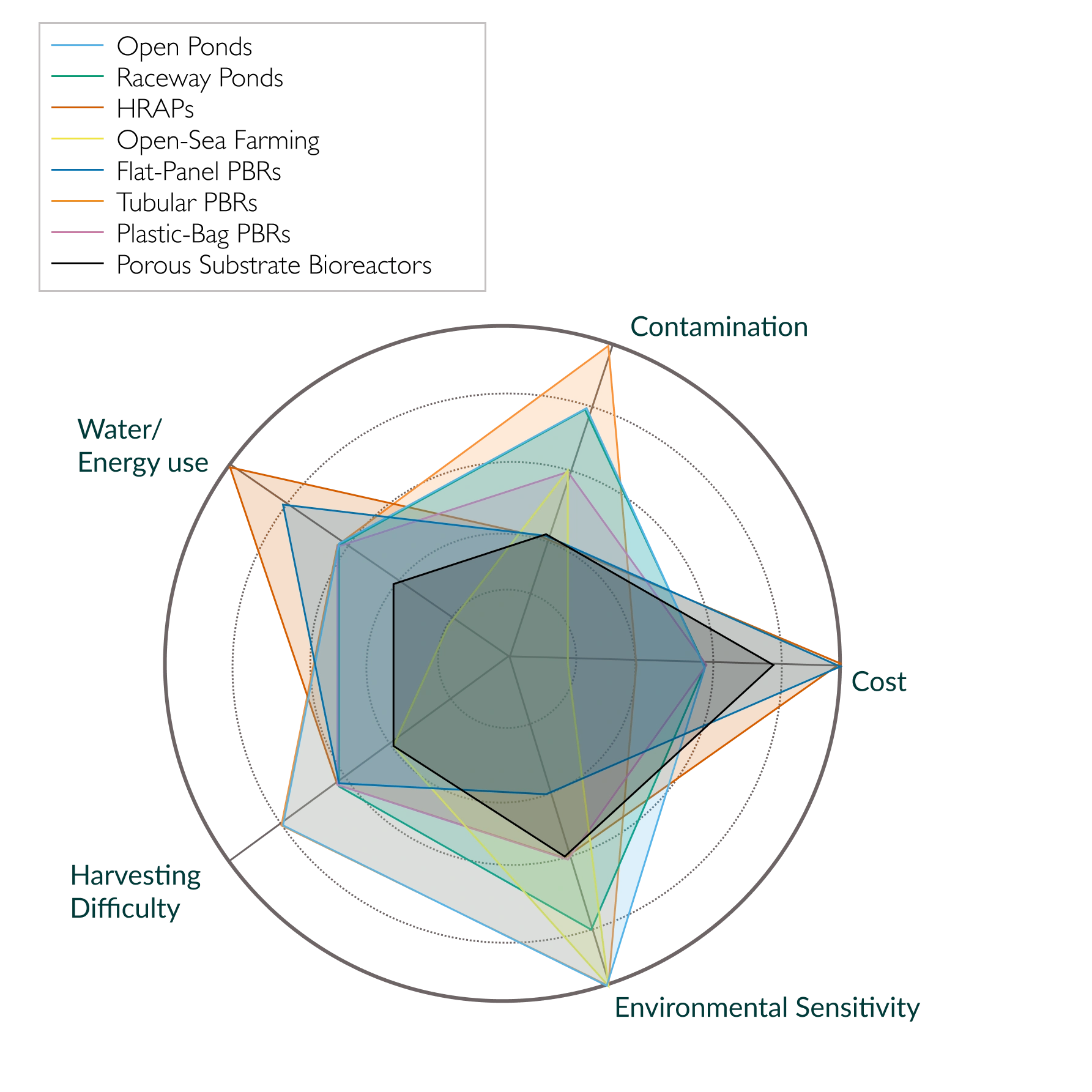
Figure 1. Barrier landscape radar chart for Vermicomposting technologies
CASE STUDY
Sewage-to-Biofuel in Spain (All-gas Project)
In Chiclana de la Frontera, Spain, the All-gas project integrates microalgae cultivation into a municipal wastewater plant to turn household sewage into biofuels. The facility uses open raceway ponds (covering up to 10 hectares) to grow algae on the town’s wastewater, harnessing abundant sunlight. This biomass is then processed into bio-methane (and tested for biodiesel), which can fuel vehicles. At full scale, the plant is expected to produce ~3,000 kg of algae per year on 10 ha, yielding about €100,000 worth of biofuel annually – enough to run ~200 cars or 10 garbage truck. Not only does this “toilet-to-tank” approach create renewable fuel, it also makes wastewater treatment energy-positive. The algae-bacteria system supplies its own oxygen and captures CO₂, so the facility goes from consuming ~0.5 kWh per m³ of wastewater (typical in conventional treatment) to producing ~2 kWh/m³, cutting operational costs and net carbon emissions while still meeting treatment economically, the algae-enabled plant is estimated to be over €2 million cheaper to build and operate than a standard sewage plant of similar capacity. The All-gas project – led by water utility Aqualia with EU funding – is a pioneering real-world demonstration of converting urban organic waste into valuable bioenergy on a large scale. Its success has drawn interest from other municipalities and showed that algal cultivation can transform waste streams into fuel and reduce the environmental footprint of wastewater management.(16)
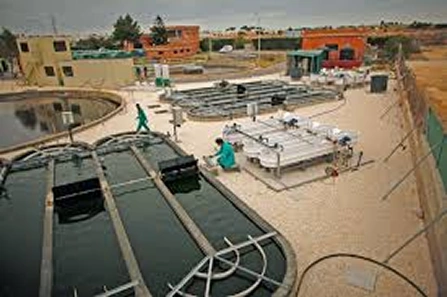
A4= Spanish Town Taps Sewage to Make Biofuel
The EU hopes wastewater is the secret to producing algal oils at scale
A5- Spanish Town Become World’s First to Run its Vehicles on Sewage
STARTUPS
Industries are increasingly shifting from the traditional linear “take–make–dispose” model toward circular frameworks that redefine waste as a strategic resource. This transition is especially critical for organic waste, which represents a growing share of municipal and commercial waste streams and remains a major source of landfill methane emissions. With approximately 1.3 billion tons of food wasted annually worldwide, the economic and environmental inefficiencies of current disposal-oriented systems are becoming impossible to ignore.
Historically, waste management infrastructure was designed for removal rather than valorization. Today, however, regulatory pressure, corporate sustainability targets, and climate commitments are accelerating the adoption of circular organic waste solutions. Across markets, companies and municipalities are deploying decentralized biological technologies to convert organic residues into energy, fertilizers, and bio-based materials.
At the same time, not all algae- or fungi-based enterprises operate on waste-derived feedstocks—many rely on tailored substrates or controlled inputs to meet quality, safety, and performance requirements. This diversity of business models highlights a key insight for decision-makers: circularity is not a single pathway, but a portfolio of technical and commercial strategies that transform organic matter from a cost center into a value-generating asset.
| Name | Region/ Country | Method | Waste feedstock | Product/value | Stage |
|---|---|---|---|---|---|
| Sophie’s BioNutrients | Singapore/Netherlands | This heterotrophic cultivation (growing algae in the dark on organic substrates) creates a true circular economy by upcycling food industry by-products. | Uses microalgae fermentation in bioreactors, feeding the algae with industrial food waste. Key feedstocks include brewer’s spent grains, okara (soybean pulp from tofu/soymilk production), and molasses from sugar refining | Produces a microalgae-derived protein flour intended for plant-based foods (meat and dairy alternatives). The protein isolate is nutritious (rich in amino acids, iron, vitamins) and non-allergenic, positioning it as a sustainable replacement for soy or whey in alt-protein applications | Early-stage (2022) |
| Gross-Wen Technologies | United States – Iowa | The algae thrive on nutrients in sewage (rich in nitrogen and phosphorus) and also consume CO₂ from the air during photosynthesis | This approach uses algae (instead of conventional bacteria or chemicals) to clean wastewater by absorbing pollutants. | The result is treated, cleaner water and a harvest of nutrient-rich algal biomass. Gross-Wen dries and collects this biomass to make slow-release fertilizers | Scaling (2021) |
| Algae Harvest | Australia | Algae Harvest then integrates microalgae cultivation into this system to treat the process by-products. Microalgae are grown in tanks that receive the residual water and off-gases from Cyclion’s waste-to-energy unit. | process liquefies mixed household waste (including plastics, food scraps, paper, and wood) into an oil or syngas. | The biomass of algae grown on these waste contaminants is harvested and repurposed into various products. According to Algae Harvest’s team, the algae biomass can be used as animal feed or aquaculture feed, or processed into fertilizers. | Scaling (2017) |
These startups illustrate how algal cultivation is not just a promising technology—but an actionable strategy for converting organic waste into scalable, revenue-generating outputs across sectors.
Deep tech investors are driving capital toward biotechnologies that link materials, sustainability, and climate impact — positioning fermentation within the broader circular innovation landscape.
| Name | Website | Region/ Country | Size of current fundsSector | Sector | Additional info |
|---|---|---|---|---|---|
| Circular innovation fund | https://circulari nnovation fund.com/ | Canada | EUR 150 M | Food & agriculture | Circular economy, recycling, waste solutions, logistics, distributions |
| Circulate capital | https://www.ci rculatecap ital.com/ | Singapore | EUR 25 M | Food & agriculture | Preventing oceans plastic, waste management and recycling |
| Indico capital partners | https://www.ind icocapita l.com/ | Portugal | EUR 76 M | Food & agriculture | Ocean Tech: Sustainable Aquaculture and Fisheries, Blue BioTech, Digital Ocean, Waste and Circular Economy, Green shipping, Ocean Renewable Energy |
| Structure capital | https://structu re.vc/ | USA | – | Food & agriculture | All related to zero waste |
| AgriTech hubs | http://agritech hub.com/ | Poland | – | Food & agriculture | – |
| Flora ventures | https://www.flor avc.com/ | Israel | EUR 80 M | Food & agriculture | Sustainable agrifood startups |
| Ventures platform | https://www.ven turespla tform.com/portfolio | Nigeria | EUR 40 M | Food & agriculture | Fintech, Edtech, Agritech, Food Science, Healthtech, Bioscience, Enterprise SaaS and digital infrastructure |
For early-stage startups, grants remain critical to bridge research and market readiness, enabling the validation and scaling of fermentation-based solutions.
| Program | Region/ Country | Stage | Website | Amount | Description |
|---|---|---|---|---|---|
| Big Small Business Project | Serbia | Grant | https://velikamal aprivreda.rs/en/grants/ | – | The USAID Big Small Businesses Project, led by ACDI/VOCA and partners, supports Serbian MSMEs in Agriculture & Food and Equipment & Machinery, promoting integration into higher-value markets and sustainable, inclusive growth. Through the TPI APS 2023-01 grant program, the project seeks private-sector partners to co-create market-driven solutions that advance digitalization, green innovation, and opportunities for women and youth. EOIs are open from June 21, 2023, to April 30, 2024. |
| Op Zuid | Netherlands | Grant | https://innovenci o.nl/op-zuid-efro/ | 1M EUR | Regional grant funded by the European Regional Development Fund (ERDF) and distributed through OP Zuid, aiming to leverage the local innovation ecosystem in southern Netherlands to create economic and social impact in energy, climate, raw materials, agriculture, food, and health. |
| Young Agririan | Czech republic | Government, Grant | https://www.szif.c z/cs/prv2014-611 | 45k EUR | The Czech Republic has a tradition of supporting young agricultural entrepreneurs. In 2015-2020 support for young agrarian entrepreneurs is being provided via EU funding for persons interested in starting their entrepreneur activity in agriculture up to 40 years of age. The maximum subsidy is up to 45 000 EUR. |
Microalgal cultivation is emerging as one of the most versatile, efficient, and strategic biological technologies for advancing a truly circular bioeconomy. Its apparent biological simplicity—driven by light, water, nutrients, and CO₂—conceals a powerful capacity for systemic transformation: enabling the production of biofuels, functional foods, pharmaceuticals, wastewater treatment solutions, carbon capture, and advanced biomaterials. Whether implemented through low-cost open ponds or highly controlled photobioreactors, algae-based systems link environmental management with sustainable resource production—without competing for arable land or relying on fossil-intensive inputs.
While this article explored only a selected range of cultivation modes, controlling factors, and application pathways, the broader algal biotechnology landscape is expanding rapidly. Emerging startups, municipal pilot projects, and research institutions worldwide are redefining algae as multifunctional biological platforms for energy, nutrition, medicine, and environmental remediation. What makes microalgae especially relevant today is their extraordinary flexibility: they can operate in decentralized, low-cost systems or in high-technology industrial facilities. This adaptability positions algae as a key biological lever for climate resilience, green innovation, and the transition toward regenerative production models.
Key insights
-
- Algal systems represent a high-leverage biological solution that simultaneously addresses nutrient recovery, carbon mitigation, and product innovation. Their ability to upcycle low-grade inputs—such as wastewater or food residues—into valuable outputs (proteins, pigments, biofertilizers) positions them as bridge technologies between environmental compliance and new market creation.
- From low-CAPEX open ponds to pharmaceutical-grade photobioreactors, algae cultivation platforms can be tailored to fit diverse business models. This modularity enables strategic alignment with investment capacity, product purity requirements, and geographic conditions, making algae viable in both emerging and mature markets.
- Key productivity factors—temperature, light, nutrients, oxygen, and mixing—require active management to avoid system crashes, quality loss, or regulatory risk. Businesses must treat biological consistency as a process engineering challenge, integrating environmental control with robust monitoring to ensure commercial viability at scale.
- The All-gas project in Spain provides a commercial precedent: converting municipal wastewater into biofuel through algae reduced both energy costs and capital expenditure versus conventional treatment. This underscores algae’s potential to redefine utility economics and create revenue-positive models from waste infrastructure.
- Not all algae-based ventures rely on waste. Many leverage controlled, high-purity substrates to meet pharmaceutical, food, or cosmetic standards. This illustrates a broader insight: circular bioeconomy and precision biomanufacturing can coexist—offering businesses a flexible innovation landscape that spans sustainability, health, and materials.
If you’re a startup refining your strategy to scale, structuring your data room, or tackling manufacturing challenges—or an investor seeking technical diligence to de-risk a thesis or explore new spaces in the circular bioeconomy—we can help. Let’s connect to turn organic waste into local value.
References
[1] Kaza et al. (2018) What a Waste 2.0, World Bank.
[2] Eurostat (2024). Waste Generation in Europe.
[3] Christian et al. (2017). Reviews on Environmental Science and Bio/Technology.
[4] Bakan et al. (2021). Waste and Biomass Valorization.
[5] EGEE 439 (n.d.). Algae Harvesting and Separation Technologies. Alternative Fuels from Biomass Sources.
[6] Oklahoma State University (2015). Algal Biomass Production.
[7]Keith, J. (2025). Microalgae Cultivation. Ocean Visions.
[8] Liang, Y. et al. (2015). Algal Biorefineries. Elsevier eBooks, pp. 35–90.
[9] Lane, T. W. (2021). Barriers to Microalgal Mass Cultivation. Current Opinion in Biotechnology, 73, 323–328.
[10]Islam, M. S. et al. (2025). Commercial and Industrial Algae Culture and Applications. IntechOpen eBooks.
[11] Matter, I. A. et al. (2020). Flocculation Harvesting Techniques for Microalgae.
[12] Chisti, Y. (2007). Biodiesel from Microalgae. Biotechnology Advances.
[13] Slade, R., & Bauen, A. (2013). Micro-algae Cultivation for Biofuels: Cost, Energy Balance, Environmental Impacts and Future Prospects. Biomass & Bioenergy.
[14] Borowitzka, M. A. (1999). Commercial Production of Microalgae: Ponds, Tanks, Tubes and Fermenters. Journal of Biotechnology.
[15] Pulz, O., & Gross, W. (2004). Valuable Products from Biotechnology of Microalgae. Applied Microbiology and Biotechnology.
[16] ByoEarth (2024). Turning Waste into Wealth: Social Enterprise for Sustainable Soil Regeneration. Internal project documentation and community impact reports, Guatemala City.
Case Study
Microbiology Notes (2023). Vermicomposting: Introduction, Characteristics, Process, and Types.
Singh, P. & Nain, L. (2023). Sustainable Vermicomposting Systems for Organic Waste Management: Opportunities, Barriers and Policy Gaps. International Journal of Agricultural Sustainability.
FAO (2024). Family Farming Knowledge Platform — Vermicomposting for Sustainable Agriculture. Food and Agriculture Organization of the United Nations.
Das, S., Lee, S.H., & Park, J.H. (2023). Operational Challenges and Environmental Implications of Vermicomposting under Different Waste Management Frameworks. Science of the Total Environment.
Sustainability Directory (2024). What Are Vermicomposting Challenges and Solutions?
Authors

Maria Lozoya
Associate emerging technologies

Diego Santamaria Razo
Managing Director
Related Posts
Venture Building as a Regional Strategy for DeepTech Impact
In emerging regions, a significant portion of scientific and technological…

Beyond Climate: Understanding Systemic Risk Across Planetary Boundaries
Anthropogenic activity has a direct and measurable impact on the…

Beyond the Dashboard: How AI Is Outpacing the System’s Ability to Execute
The energy transition is often discussed in terms of better…