
Cities as Energy Systems: The Material Foundations of Urban Electrification.
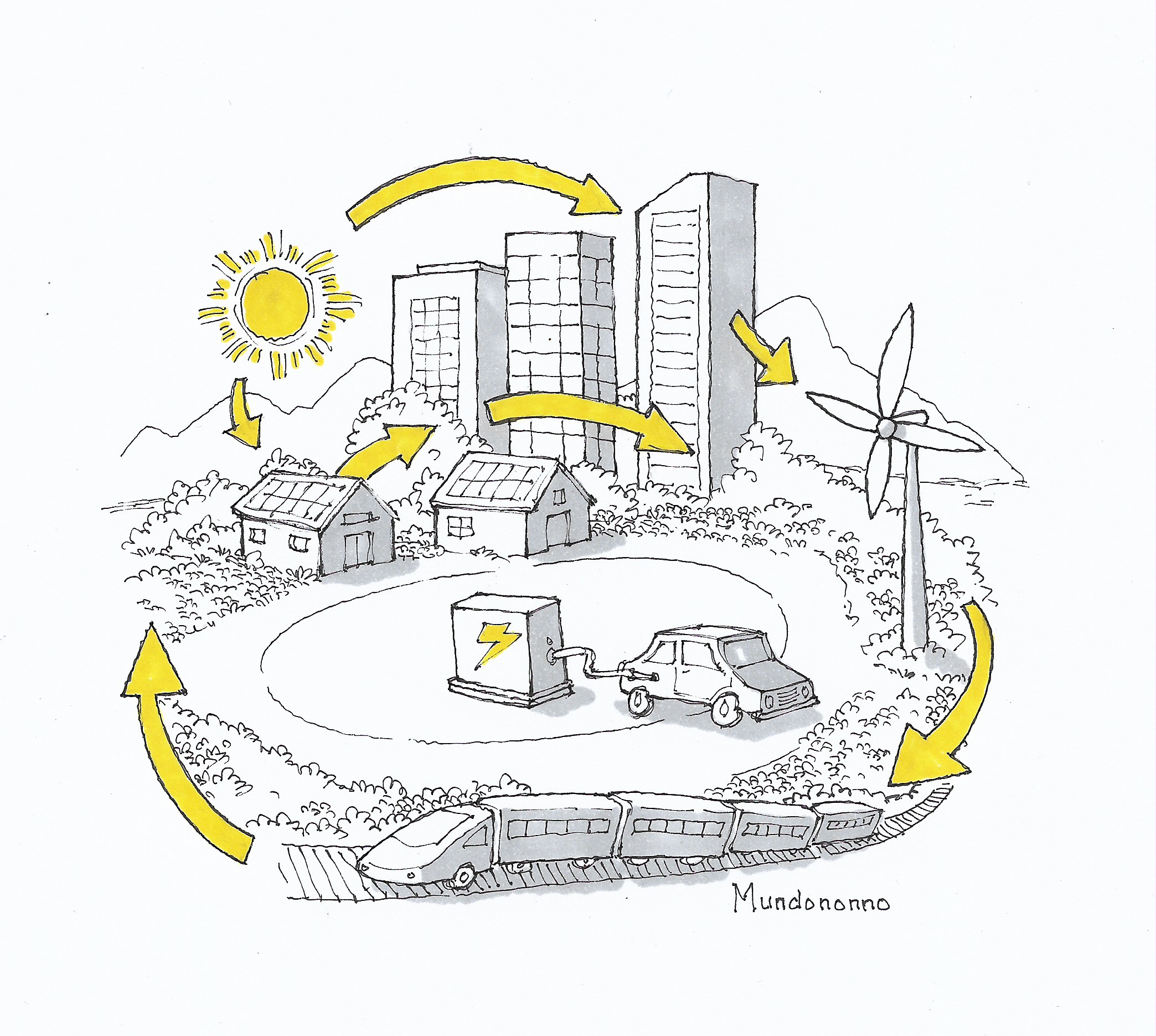
In our latest research on Advanced Materials and Critical Minerals, we explored how the energy transition is reshaping global supply chains for minerals and industrial materials. Electrification is increasing demand for resources such as copper, lithium, nickel, rare earth elements, and aluminum, turning material supply chains into strategic assets for energy systems.
As electrification expands across transport, industry, and digital infrastructure, the energy system becomes increasingly embedded in physical technologies. Batteries, renewable generation systems, power electronics, and transmission networks rely on complex material inputs and industrial capabilities to scale. In this context, the pace of the transition is shaped as much by materials processing capacity and infrastructure deployment as by technological innovation.
A crucial dimension of this transformation lies in the built environment. Cities concentrate economic activity, infrastructure, and energy demand. Buildings, transport networks, industrial facilities, critical infrastructure, grids, and digital infrastructure together form the physical systems through which energy is consumed and distributed.
As electrification progresses across urban infrastructure, new energy assets are increasingly embedded within smart buildings. Rooftop solar installations, electric vehicle charging networks, building electrification technologies, and distributed storage systems are becoming integrated into urban environments.
This shift connects three domains that have often been analyzed separately: energy systems, material supply chains, and the built environment. Electrifying buildings, expanding urban grids, and deploying charging infrastructure require significant industrial capacity, specialized materials, and coordinated infrastructure development.
Understanding how these domains interact is becoming increasingly important for policymakers, investors, and entrepreneurs navigating the evolving energy landscape. The transformation of cities into electrified infrastructure systems opens new opportunities for technological innovation, industrial development, and strategic investment across the energy and materials value chains.
In this article, we explore how urban electrification is reshaping infrastructure systems, why materials are becoming a critical factor in scaling city-level energy transitions, and where new ventures are emerging at the intersection of energy, materials, and the built environment.
Cities as Energy Systems
For decades, energy systems were conceptualized through a relatively centralized architecture. Power generation occurred in large plants—coal, gas, hydro, or nuclear facilities—while electricity was transmitted across long-distance grids toward cities where it was ultimately consumed. Urban areas were therefore treated primarily as end points of the energy system, where electricity, fuels, and heat were delivered and used.
As discussed in our previous research on energy system coordination, electrification is expanding simultaneously across transport, industry, digital infrastructure, and buildings. At the same time, technological advances are enabling energy production, storage, and management to occur closer to where energy is consumed. The result is a shift toward more distributed and interconnected energy architectures.
Urban areas increasingly host energy assets embedded directly within their infrastructure. Rooftop solar installations generate electricity within buildings; electric vehicle charging networks connect mobility systems to urban grids; stationary batteries provide distributed storage capacity; without mentioning the wave of new solutions under development that capture opportunities in energy generation, storage, and smart buildings, turning the urban areas into more reislient ecosystems.
Rather than functioning solely as demand centers, cities are progressively operating as complex energy ecosystems where generation, storage, distribution, and consumption interact continuously.
Understanding cities through this ecosystem lens is important for several reasons.
First, urban areas concentrate both energy demand and infrastructure density. A large share of global energy consumption occurs within cities due to the clustering of residential buildings, commercial activity, industry, transport networks, and digital infrastructure. As electrification expands across these sectors, urban electricity demand grows while the complexity of managing energy flows increases. Viewing cities as integrated systems allows planners, utilities, and policymakers to analyze how these multiple energy uses interact within a shared infrastructure network.
Second, the electrification of cities introduces new interdependencies between sectors. Electric vehicles draw power from the grid while potentially providing storage through vehicle-to-grid technologies. Buildings equipped with heat pumps alter seasonal electricity demand patterns. Distributed solar generation interacts with local consumption profiles and storage capacity. Data centers and digital infrastructure introduce additional demand peaks. These interactions mean that decisions in one sector—mobility, buildings, or digital infrastructure—can influence the stability and performance of the entire urban energy system. Furthermore, the buildings and infrastructure are to date innert structures that could be funcional. Thousands if not millions of square and cubic meters available from being only structural to being structural and funcional.
Third, the ecosystem perspective highlights the growing importance of infrastructure capacity and industrial supply chains in enabling urban electrification.

Surfing- the capacity to access, navigate, and benefit from systems that shape our lives.
As electrification moves deeper into cities, the scale of infrastructure required to support electricity demand increases significantly, requiring new investments in power networks, charging systems, building technologies, and storage capacity.
Beyond infrastructure and system coordination, urban electrification also reshapes how access to energy and mobility is distributed within cities.
This dynamic can be understood through the concept of motility—the capacity of individuals, organizations, and systems to access, navigate, and benefit from movement across physical and economic networks.
In the context of urban energy systems, motility reflects the degree to which actors can:
- access reliable and affordable energy
- connect to mobility infrastructure
- participate in emerging electrified systems
As cities become more electrified and interconnected, access to these systems becomes unevenly distributed. The availability of charging infrastructure, grid capacity, building electrification technologies, and digital energy systems can enable new forms of economic participation for some actors, while constraining others.
From this perspective, urban energy systems do not only determine how energy flows—they also shape how opportunity flows.
Electrification therefore becomes a factor in the distribution of economic and technological agency within cities. Higher access to energy infrastructure and mobility systems increases the ability to participate in evolving industrial and economic systems, while limited access can reinforce existing structural constraints.
Understanding cities as energy ecosystems thus also requires understanding them as systems that influence motility, where infrastructure, materials, and technology determine the capacity to access and navigate opportunities.
Finally, viewing cities as interconnected energy systems helps reveal where innovation opportunities are emerging. Urban electrification creates demand for new technologies in distributed energy management, grid optimization, energy storage integration, building electrification, and infrastructure materials. Startups, utilities, industrial companies, and investors are increasingly focusing on these areas as the deployment phase of the energy transition accelerates.
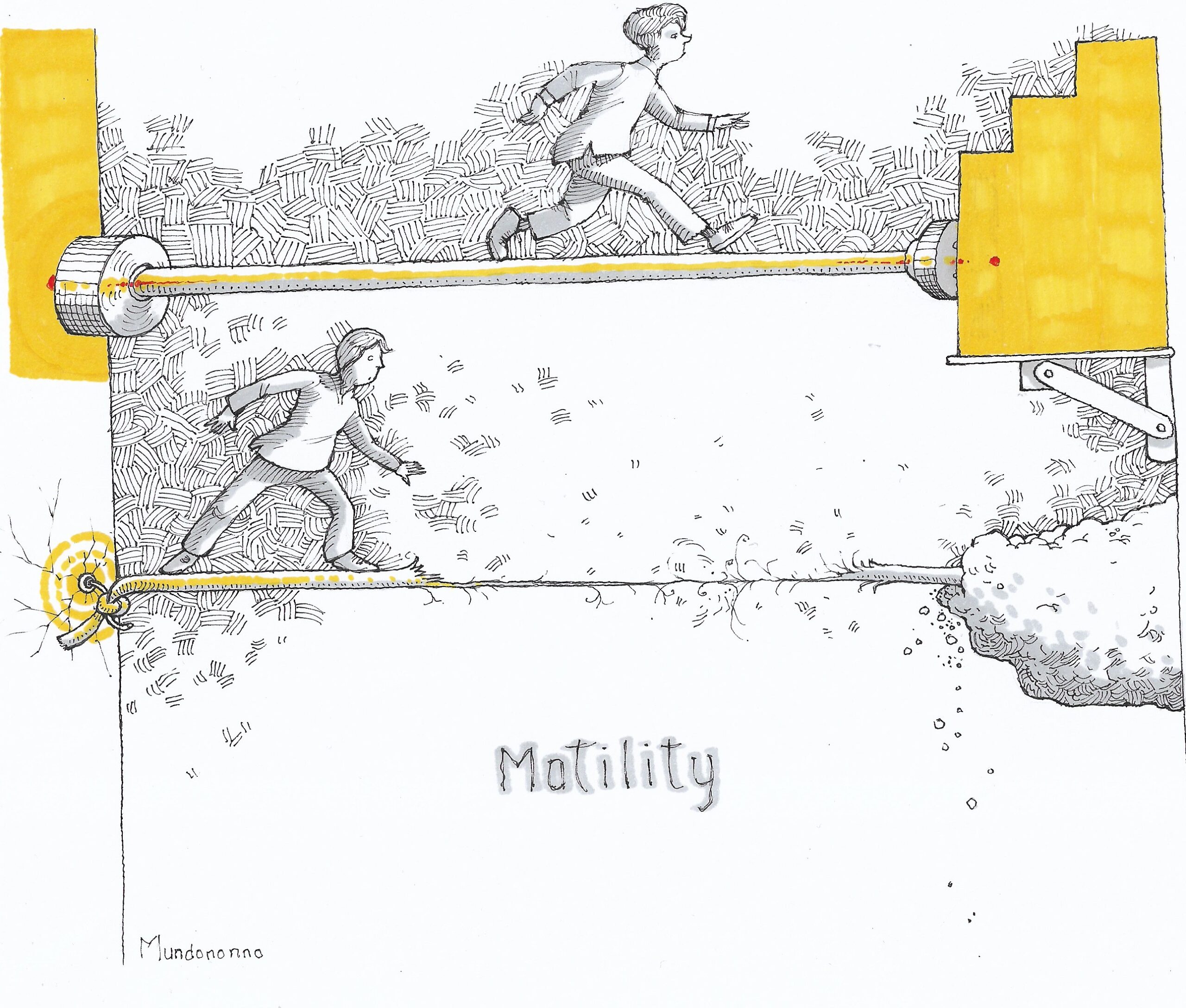
Running- Some paths are built to accelerate you and others make every step harder.
For founders and investors, understanding cities as interconnected energy systems provides a clearer framework for identifying where technological solutions can create value. For policymakers and infrastructure planners, it enables more coordinated approaches to urban electrification that consider energy, transport, buildings, and digital infrastructure as parts of a shared system.
The electrification of cities depends on the deployment of several interconnected infrastructure systems. Power distribution networks, electric vehicle charging infrastructure, building electrification technologies, distributed generation, and energy storage systems together form the operational backbone of urban energy systems.
At the core of this transformation lies the expansion and modernization of electricity grids. Urban distribution networks must accommodate growing electricity demand from buildings, mobility, and digital infrastructure while integrating distributed generation sources such as rooftop solar. Substations, transformers, power electronics, and advanced monitoring systems are increasingly required to manage more complex and dynamic electricity flows.
Urban electrification also involves the rapid deployment of electric mobility infrastructure. Charging networks—ranging from residential installations to fast-charging corridors—connect transport systems directly to urban power grids. In parallel, building electrification technologies such as heat pumps and smart energy management systems are replacing fossil-fuel-based heating systems and reshaping energy demand patterns.
Energy storage plays an additional role in balancing these increasingly dynamic systems. Stationary batteries, distributed storage integrated within buildings, and vehicle-to-grid technologies provide new mechanisms to stabilize electricity networks while supporting higher shares of renewable generation.
All these infrastructures depend on complex material supply chains. Copper and aluminum are essential for power transmission and distribution equipment; battery systems require lithium, nickel, cobalt, and graphite; renewable generation technologies rely on silicon and rare earth elements; and power electronics increasingly depend on advanced semiconductor materials.
As discussed in our previous article on advanced materials and critical minerals, the expansion of electrified energy systems significantly increases demand for these industrial inputs while highlighting the strategic importance of processing capacity and supply chain resilience.
Because these infrastructures and materials interact across multiple sectors, they can be understood as forming clusters within the broader urban energy ecosystem. Electricity networks, electrified mobility systems, building energy systems, distributed storage, and digital grid technologies evolve together as interdependent components of urban electrification.
In this article we focus primarily on the systemic perspective of cities as integrated energy ecosystems. In future articles within this series, we will explore each of these infrastructure and material clusters in greater depth, examining the technologies, industrial supply chains, and emerging ventures shaping the next phase of urban electrification.


Antora Energy (USA) Antora Energy develops thermal energy storage systems that store renewable electricity as high-temperature heat and release it on demand. Its technology enables industrial processes to use clean, reliable energy while supporting the integration of intermittent renewables.
Skeleton Technologies (Estonia / Germany) Skeleton Technologies develops high-performance ultracapacitors for energy storage and power systems. Its technology enables fast energy discharge, supporting grid stability, transportation systems, and industrial applications within electrified infrastructure.


Pano AI (USA) Pano AI develops AI-powered wildfire detection systems that use cameras and advanced analytics to identify fires in real time. Its platform helps utilities and infrastructure operators protect critical energy assets and improve the resilience of power systems.
Northvolt (Sweden) Northvolt designs and manufactures lithium-ion batteries for electric vehicles and energy storage systems. The company is focused on building a European battery supply chain to support electrification while integrating recycling and sustainable material sourcing.


PowerNap Energy (USA) PowerNap Energy develops thermal energy storage systems that convert electricity into stored heat for later use. Its technology helps balance energy demand, improve efficiency, and support the integration of renewable energy into power systems.
Zubut (Mexico) Zubut develops software platforms for managing and optimizing electric vehicle fleets. Its solutions help accelerate fleet electrification while improving operational efficiency in urban mobility systems.


75F (USA) 75F develops AI-driven building automation systems that optimize HVAC and energy use in commercial buildings. Its platform improves energy efficiency, reduces operational costs, and enables buildings to actively participate in urban energy systems.
Erco Energía (Colombia) Erco Energía provides distributed energy solutions, including solar generation, storage, and energy management systems for commercial and industrial users. Its model enables decentralized energy access and supports the electrification of urban and industrial environments.


Ualabee (Argentina) Ualabee provides a mobility platform that integrates public and private transport options into a single interface. By improving access to urban mobility systems, it helps optimize how people move across cities.
Energy Dome (Italy) Energy Dome develops long-duration energy storage systems based on CO₂ compression and expansion. Its technology enables grid-scale storage, supporting renewable integration and improving the stability of electrified energy systems.


Elaphe (Slovenia) Elaphe develops in-wheel electric motors for vehicles, enabling more efficient and flexible electric mobility systems. Its technology supports the electrification of transport while simplifying vehicle architecture and improving energy efficiency.
Energy Dome (Italy) Energy Dome develops long-duration energy storage systems based on CO₂ compression and expansion. Its technology enables grid-scale storage, supporting renewable integration and improving the stability of electrified energy systems.


Polisplexity (Spain) Polisplexity develops digital platforms for urban data analysis and decision-making, enabling cities to better understand and manage complex systems. Its technology integrates data from multiple sources to support more efficient planning, infrastructure optimization, and governance in increasingly interconnected urban environments.
Mighty Buildings (USA) Mighty Buildings develops 3D-printed construction technologies that enable faster, more efficient, and lower-emission building production. Its approach integrates advanced materials and automation to streamline construction processes and support the scalability of sustainable urban infrastructure.


Relectrify (Australia) Relectrify develops battery control systems that enable the reuse of electric vehicle batteries for stationary energy storage. Its technology extends battery lifecycles, reduces costs, and supports distributed energy systems within electrified infrastructure.
Energy Vault (Switzerland / USA) Energy Vault develops gravity-based energy storage systems that store electricity by lifting and lowering heavy materials. Its technology provides long-duration energy storage, supporting grid stability and the integration of renewable energy into large-scale energy systems.
The electrification of cities is reshaping how energy infrastructure is designed, deployed, and managed. As transport, buildings, digital infrastructure, and distributed generation systems become increasingly interconnected, the challenge of the energy transition shifts toward coordinating complex infrastructure systems and expanding the industrial capacity required to support them.
Urban electrification therefore represents more than a technological transformation. It involves the simultaneous development of energy infrastructure, material supply chains, and built environments capable of supporting new forms of energy production, storage, and consumption.
Analyzing these domains together helps reveal where the next generation of technological innovation, industrial development, and investment opportunities is emerging.
In the next article, we will focus specifically on energy-intelligent buildings, examining how buildings are evolving from passive energy consumers into active components of urban energy systems through electrification, distributed generation, storage integration, and digital energy management.
At Activae, we increasingly see infrastructure, materials, and energy systems as determinants of motility within industrial and urban systems. We work extensively across the domains explored in this article, materials, energy systems, and the built environment, helping translate technological innovation into industrial deployment and investment opportunities. At the same time, these areas represent only part of a broader landscape. The challenges shaping the next phase of industrial transformation extend across multiple technological and economic domains, and our work reflects this wider perspective. By connecting developments across several deep-tech verticals, we aim to support founders, investors, and organizations in navigating complex innovation ecosystems and building ventures capable of scaling within rapidly evolving industrial systems.
Authors

Maria Lozoya
Associate emerging technologies

Diego Santamaria Razo
Managing Director
Related Posts

ClimateTech: Understanding a Growing Ecosystem of Industrial Innovation
ClimateTech has emerged as one of the most dynamic areas…
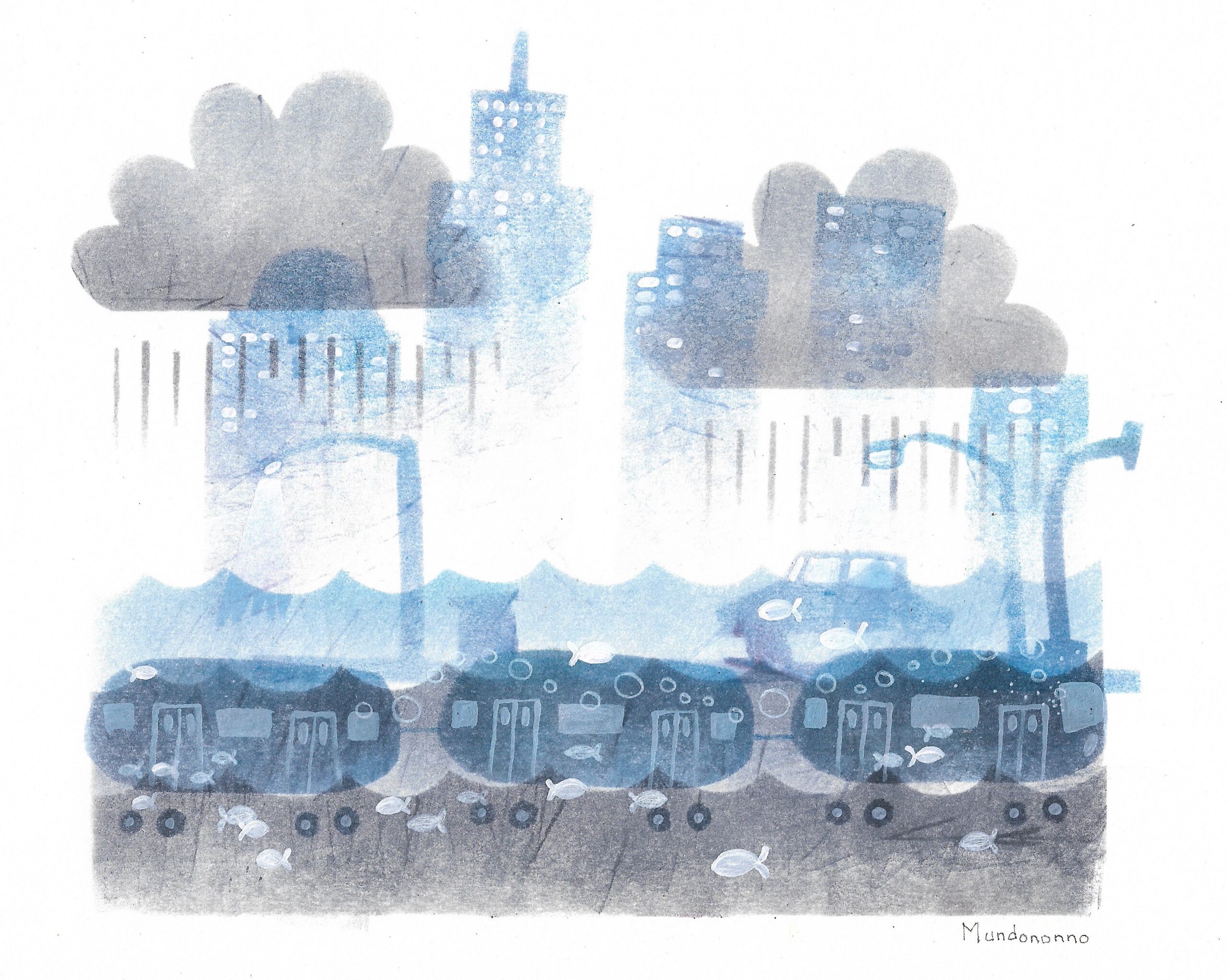
Building flexible mobility system is a must. Let’s start today.
Climate-resilient transport infrastructure depends on how effectively existing systems can…

The Future of Mobility Depends on Climate Resilience
Modern transport infrastructure for decades was designed under an assumption…