Biological pathways: Vermicomposting
At the intersection of nature and innovation, vermicomposting shows how small biological processes can unlock big shifts in circularity, turning organic residues into a foundation for healthier ecosystems and economies.
Cities today are growing faster than the infrastructure built to support them. Every day, vast amounts of resources end up as waste, traveling long distances to centralized facilities. This linear model — take, use, dispose — is reaching its limits: logistics costs are rising, environmental regulations are tightening, and climate impact is now a direct factor in business competitiveness[1].
Organic waste is one of the biggest challenges. It represents 30–50% of municipal solid waste, is costly to collect and transport, and generates significant methane emissions in landfills[1]. At the same time, regulations such as the EU’s mandatory bio-waste separation (2024) are accelerating the shift toward circular solutions[2].
For forward-thinking companies, this is more than a compliance issue — it’s a strategic opportunity to innovate, reduce risk, and build resilience. Emerging biological, nature-inspired and tech-driven solutions are proving that organic waste can be upcycled into energy, fertilizers, proteins and biomaterials[3].
At Activae, we group these solutions into three complementary pathways:
- Biological (e.g. composting, fermentation): low CAPEX, emission reduction, nutrient recovery.
- Nature-Inspired (e.g. insect larvae, microbial bioconversion): protein and biomaterial production.
- Tech-Driven (e.g. thermochemical, electrochemical): high-value outputs for industrial use.
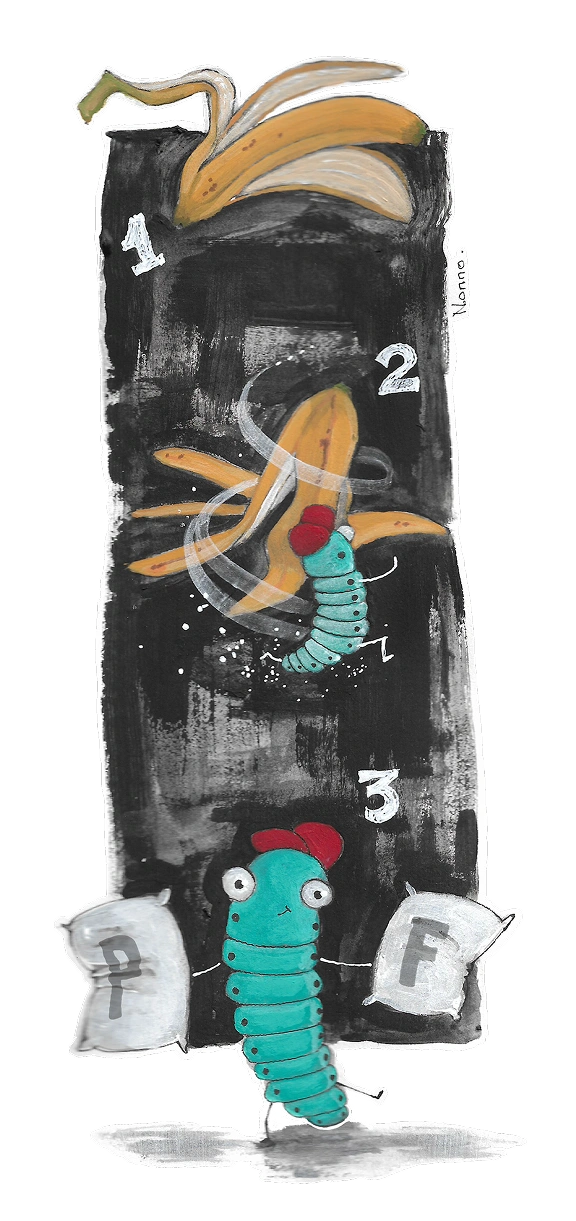
V1: ¨Nature’s Tiny Factory¨
An illustrated sequence showing the vermicomposting process. At the top, a banana peel represents organic waste (step 1). In the middle, an earthworm actively breaks down the material (step 2), surrounded by dynamic lines that suggest movement and biological transformation. At the bottom, the worm carries two bags labeled “P” and “F,” symbolizing the final products: solid vermicompost and liquid fertilizer (step 3).
Their modularity and decentralization make them especially relevant for business: they reduce costs, lower regulatory risks, and open new revenue streams. Real transformation comes from strategically combining these technologies to address different waste types and business goals — moving from passive waste management to local value creation and competitive advantage[4].
Within this landscape, vermicomposting emerges as one of the most accessible and regenerative biological pathways for organic waste valorization. By harnessing the natural efficiency of earthworms, this process transforms food and agricultural residues into nutrient-rich soil amendments with interesting market value while minimizing emissions and operational complexity. Its scalability—from household systems to urban biocenters—makes it particularly suited for decentralized circular models, where waste becomes a local resource rather than a disposal challenge. As cities and industries move toward low-carbon, nature-based solutions, vermicomposting offers a practical bridge between food systems, soil regeneration, and the circular economy. The following sections explore vermicomposting more in depth: its technical foundations, applications, business potential, and the role it can play in building more resilient, profitable, and sustainable value chains.
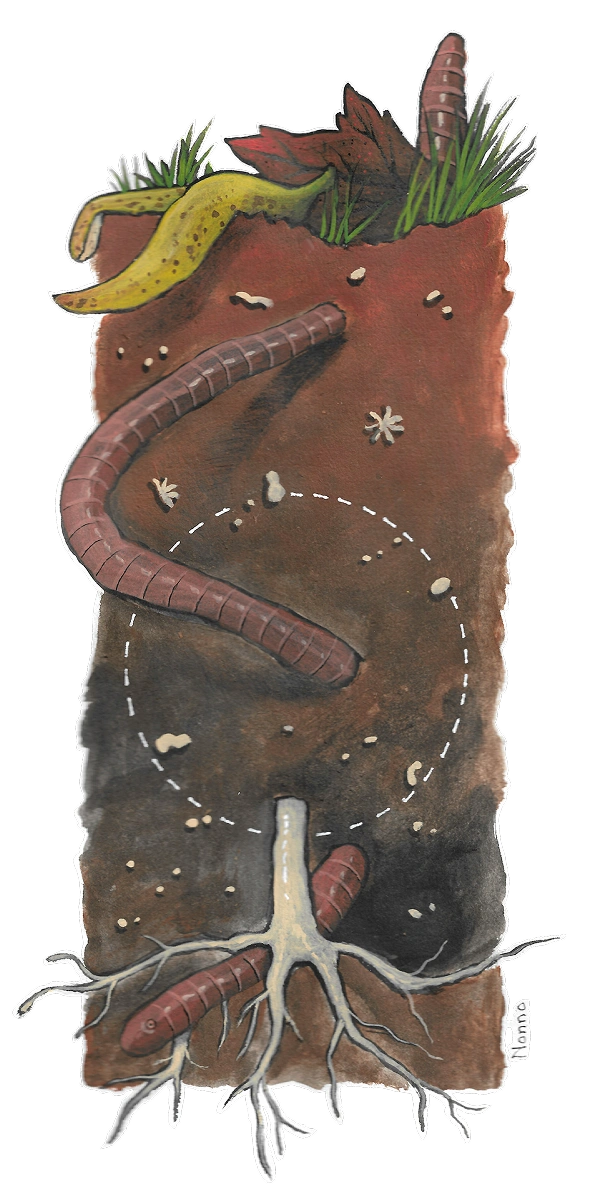
V2: “Coreografía subterránea”
A vertical slice of soil reveals a quiet world in motion: earthworms weaving soft tunnels, roots reaching downward, and organic scraps slowly becoming part of the earth again. A spiraling dotted line follows the worm’s path, hinting at a continuous cycle of transformation. The scene captures the hidden choreography beneath our feet — where decay becomes nourishment and life renews itself in the dark.
Vermicomposting is a biological process that uses earthworms to transform organic residues—such as food scraps, crop residues, or biodegradable household waste—into a stable, nutrient-rich product known as vermicast. Through their feeding and digestion, worms fragment, aerate, and mineralize organic matter, producing excreta enriched in plant-available nutrients such as nitrogen, phosphorus, potassium, calcium, and magnesium[5]. The passage of material through the worm’s gut also enhances microbial activity, increasing the abundance of beneficial bacteria and actinomycetes that promote soil fertility and structure.
Compared to conventional composting, vermicomposting occurs under mild, oxygenated conditions and therefore produces negligible greenhouse gas emissions. Because methane-producing microbes are inactive in this environment, it represents a low-emission alternative for managing household and municipal organics[7]. The process is naturally odor-free and energy-efficient, requiring no forced aeration or high-temperature stages. The resulting vermicast is biologically active and contains lower contaminant levels and higher nutrient saturation than the original material, making it a high-value organic fertilizer for both agriculture and landscaping applications[6].
In circular systems, vermicomposting can serve as a decentralized waste-to-resource pathway. It can be implemented at household, community, or business scale, turning food and agricultural residues
into soil amendments that close local nutrient loops. For urban contexts, modular worm-farm units offer a practical option to divert biowaste from landfills while producing marketable vermicompost for urban agriculture, nurseries, or regenerative land management. Beyond waste reduction, the process supports carbon sequestration in soils and contributes to sustainable farming practices by reducing dependence on synthetic fertilizers[8] where the nitrogen problems linked to fertilizers are lower.[9]
Overall, vermicomposting combines biological efficiency, environmental performance, and economic accessibility. It illustrates how nature-based systems can upcycle organic waste into local value—creating a direct link between food systems, soil health, and circular resource management.
Types of vermicomposting
Depending on available space, feedstock type, and operational scale, several system configurations have been developed—ranging from simple outdoor piles to engineered continuous-flow units. Each system presents distinct requirements for moisture, aeration, and maintenance, influencing its efficiency, cost, and scalability. The following table summarizes the main types of vermicomposting systems, highlighting their operating principles, advantages, and limitations across different contexts.
| Type / System | Description | Feedstock & Scale | Operation Mode | Advantages | Limitations / Challenges | TRL |
|---|---|---|---|---|---|---|
| Heap (Open Pile) Method | Waste is piled on the ground in shaded areas and worms are released; similar to windrow but smaller | Rural/low-tech setups; mixed organics. | Batch | Very simple, minimal equipment. | Poor control of environmental factors; uneven composting. | 5-6 |
| Trench Method | Shallow trenches are dug directly into soil; waste and worms are added, then covered with organic material. | Farm-level or rural households; animal manure and crop residues. | Batch | Low infrastructure cost; improves soil fertility directly. | Harder to harvest vermicompost; risk of waterlogging or pests. | 6–7 |
| Bed (or Pit) Method | Waste is spread in long shallow beds (often brick-lined pits) and earthworms are added; waste is turned manually every few weeks. | Suitable for small to medium operations using household or farm waste. | Batch | Low cost, easy to construct, low maintenance. | Labor-intensive; harder to control moisture and aeration; slower composting rate. | 7–8 |
| Windrow Method | Waste is piled in long rows (windrows) outdoors; worms and microbes work together, and piles are turned periodically for aeration. | Medium to large scale; municipal or farm-level. | Semi-continuous | Handles large volumes; scalable; suitable for open fields | Sensitive to climate (temperature, rainfall); may need covering; odor control required. | 8 |
| Bin or Container System | Uses enclosed bins, boxes, or trays (plastic, wooden, or concrete) that allow moisture control and aeration; worms move upward as lower layers mature. | Household or institutional; food scraps and paper waste. | Continuous | Compact, odor-free, easy to manage indoors; good for urban setups. | Limited volume capacity; requires more maintenance to avoid compaction. | 8-9 |
| Continuous Flow Reactor (CFR) | Engineered vertical or horizontal units where fresh feed is added on top, and finished compost is harvested from below; worms self-migrate upward. | Industrial and institutional scale; consistent feedstock supply required. | Continuous | Mechanized, efficient, high productivity; low labor needs. | Higher CAPEX; requires technical control of feed, humidity, and temperature. | 8-9 |
V3: ¨La alianza silenciosa¨
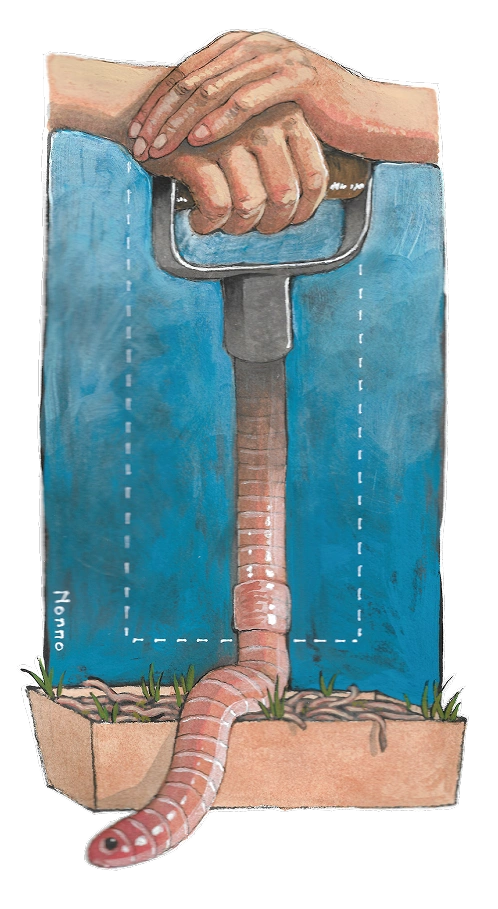
A shovel stands firmly in the earth, its handle held gently by a pair of resting hands. Below the surface, a long earthworm mirrors the tool’s descent, stretching through the soil as if completing the work the shovel began. The illustration blends human intention with natural motion, suggesting that regeneration happens where human effort and the silent labor of the earth meet.
Despite its recognized environmental and agronomic benefits—such as waste stabilization, soil fertility improvement, and emission reduction—vermicomposting faces several barriers that limit its wider adoption and scalability. These can be grouped into three main categories: technical/operational, socio-economic/institutional, and environmental/contextual.
1. Technical and Operational Barriers
- Process sensitivity: This barrier either limits implementation to certain geographies or increases operational costs in regions where conditions fall outside the ideal range.
- Feedstock variability: Inconsistent waste inputs (especially those containing pesticides, heavy metals, or high ammonia) can disrupt biological balance and reduce product quality.
- Infrastructure and maintenance requirements: Medium- to large-scale systems demand suitable facilities with drainage, leachate management, and aeration—conditions often unavailable in low-resource settings.
- Harvesting and process control: Separating worms from finished compost, stabilizing and packaging the product, and managing the production cycle add labor and technical complexity.
- Availability of composting species: While not always the main constraint, sourcing and maintaining suitable worm species (e.g., Eisenia fetida) is still a limiting factor for scaling in some regions.
2. Socio-Economic and Institutional Barriers
- Short-term economic vision: Farmers and small operators often prioritize immediate returns, making it difficult to invest in a system that offers medium- to long-term benefits.
- Limited technical knowledge and institutional support: Successful implementation requires training and technical assistance. In many regions, extension services and policy frameworks for vermicomposting are still weak or fragmented.
- Upfront investment and financial barriers: Even though operational costs are low, initial infrastructure and system setup can be prohibitive without subsidies or access to credit.
- Weak market linkages: Vermicompost often lacks formalized markets, certification standards, and reliable buyers, discouragin production beyond subsistence or local use.
- Regulatory gaps: Few waste-management or agricultural policies specifically promote or regulate vermicomposting, leaving producers without legal recognition or incentives.
3. Environmental and Contextual Barriers
- Climatic constraints: Extreme temperatures, drought, or heavy rainfall can severely affect worm activity and compost stability. Shaded or controlled environments add cost and complexity.
- Feedstock contamination: Waste with high salt or chemical content may require pre-treatment, increasing costs and time.
- Scalability challenges: In areas with fragmented waste collection or large waste volumes, integrating vermicomposting at municipal or industrial scale remains logistically difficult.
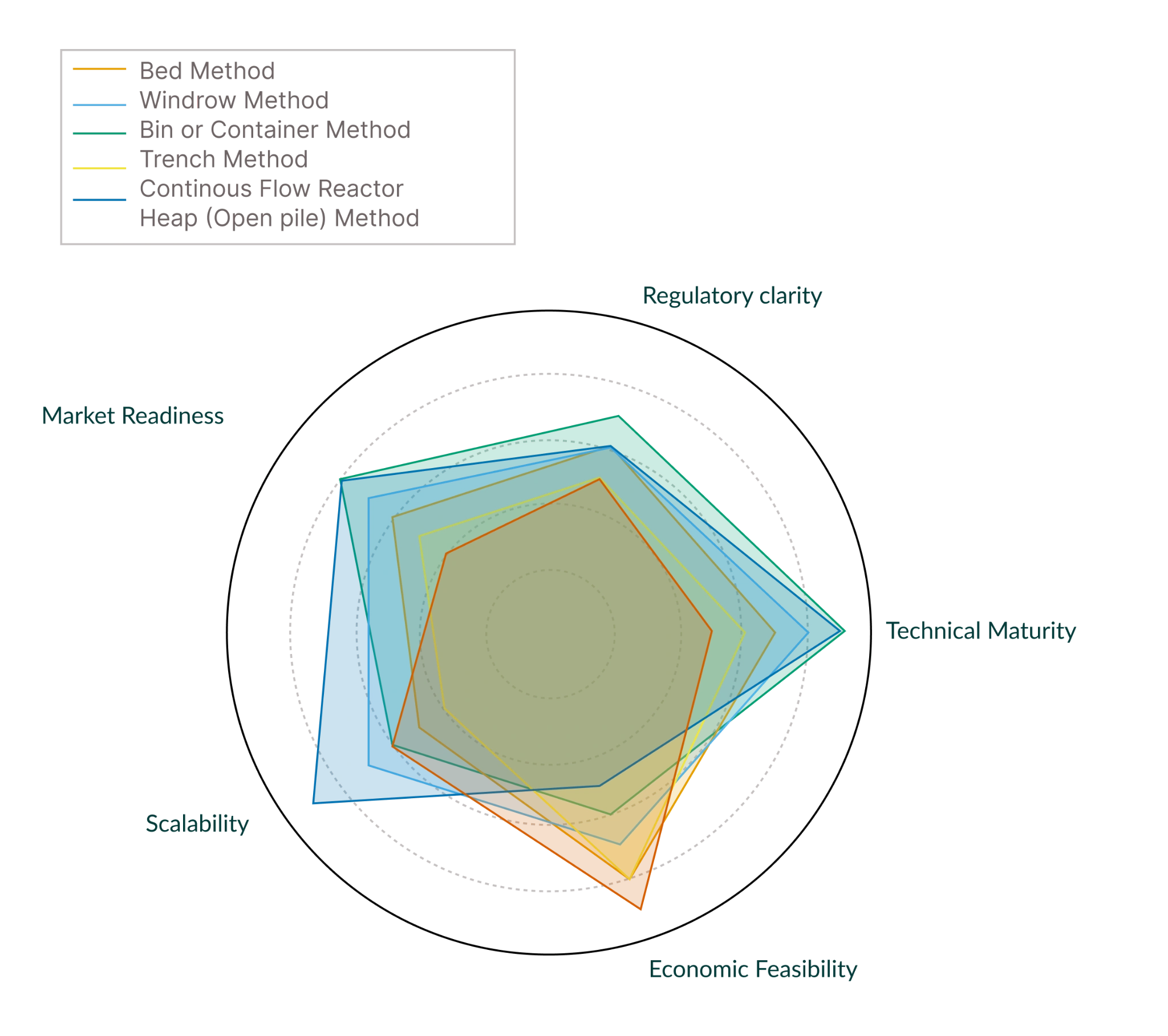
Figure 1. Barrier landscape radar chart for Vermicomposting technologies
For vermicomposting to become a mainstream waste-valorization technology, addressing these multi-level barriers is crucial. Beyond optimizing biological performance, broader adoption will depend on technical support, financial incentives, reliable markets, and context-specific system design. Integrating vermicomposting within circular-economy and organic-waste strategies can help unlock its potential as a low-impact, community-scale solution.
CASE STUDY
ByoEarth is a Guatemala-based social enterprise that has successfully implemented small- and medium-scale vermicomposting systems to support community development, organic waste recovery, and soil regeneration.
Since 2007, the project has operated in rural and peri-urban areas such as Quetzaltenango and Guatemala City’s low-income neighborhoods, training women to manage decentralized worm farms that transform organic waste into high-quality fertilizer.
System and Operations
- Uses low-tech vermicomposting systems (brick beds, repurposed containers) with Eisenia fetida worms.
- Feedstock includes clean organics like coffee pulp (in rural areas) and kitchen scraps or manure (in urban areas).
- Each community unit can process up to 200 tons of organic waste per year, producing nutrient-rich humus with low methane emissions.
Key Stakeholders
- Local women trained as operators and micro-entrepreneurs.
- ByoEarth acts as an incubator, buyer, and fertilizer distributor.
- NGOs such as Junkabal Foundation and funders like USAID supported early implementation.
- Local farmers, nurseries, and agroecological projects serve as buyers and application partners.
Impact Highlights
- Environmental: Diverts large volumes of organic waste from landfills, reduces emissions, improves soil fertility and water retention.
- Social: Generates green jobs for women, provides vocational training, and strengthens community resilience.
- Economic: Creates local income opportunities, lowers dependence on synthetic fertilizers, and supports circular economy models.
Success Enablers
- Local leadership and a reinvestment-driven social business model.
- Multi-sector partnerships and guaranteed off-take.
- Culturally adaptive design using local materials and continuous education.
Challenges
- Cultural hesitation (fear of worms, initial skepticism).
- Environmental control (heat, moisture, pests).
- Feedstock seasonality and market consistency.
ByoEarth shows that vermicomposting can be a powerful tool for empowering communities—especially women—when combined with capacity building, decentralized design, and market access. It stands as a replicable model for scaling circular economy solutions from the bottom up.
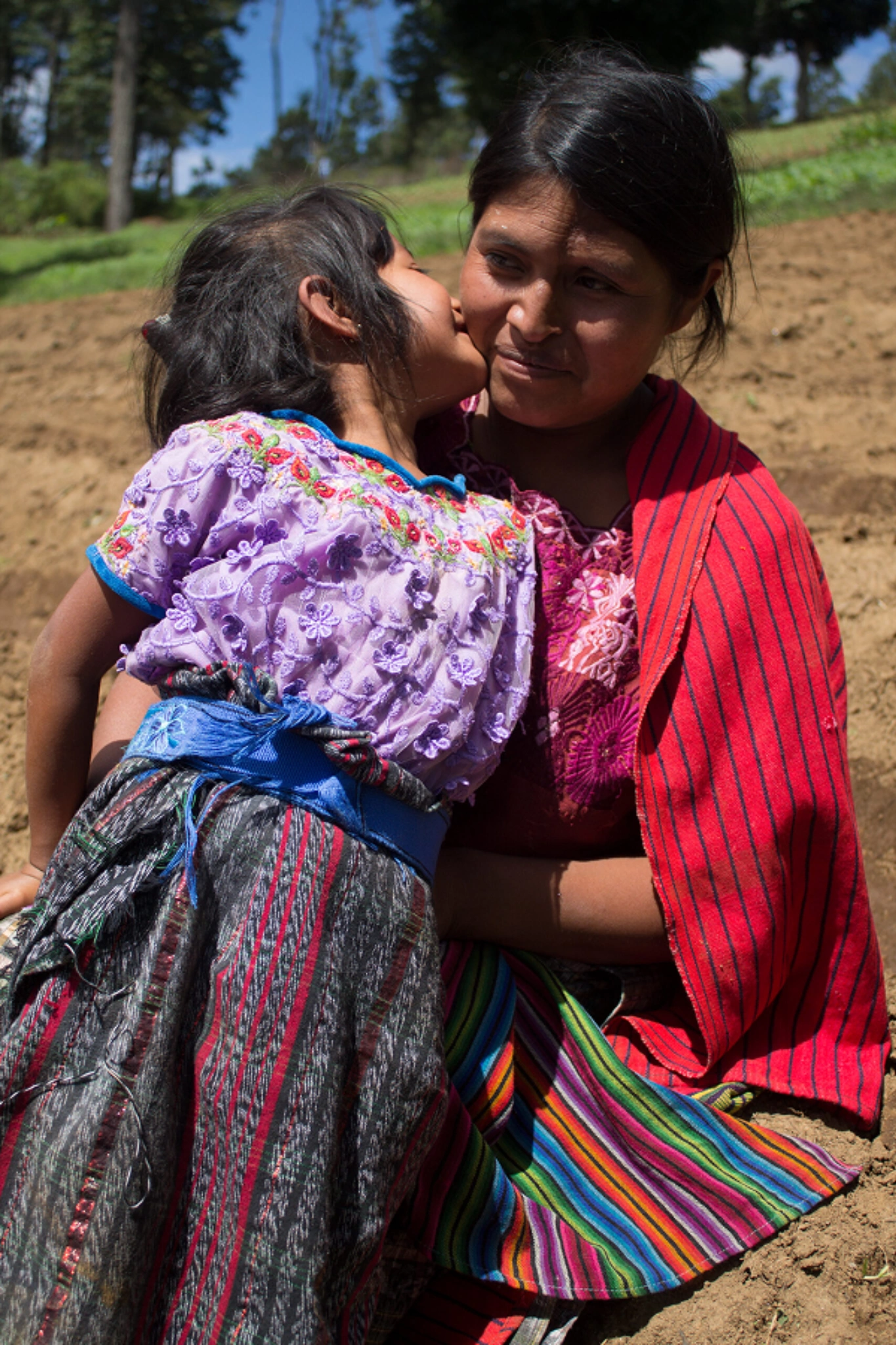
The image highlights the human dimension of community-led regenerative practices and the social impact of local circular-economy initiatives.
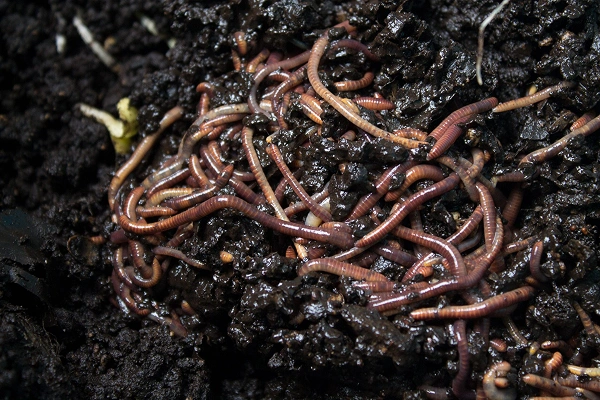
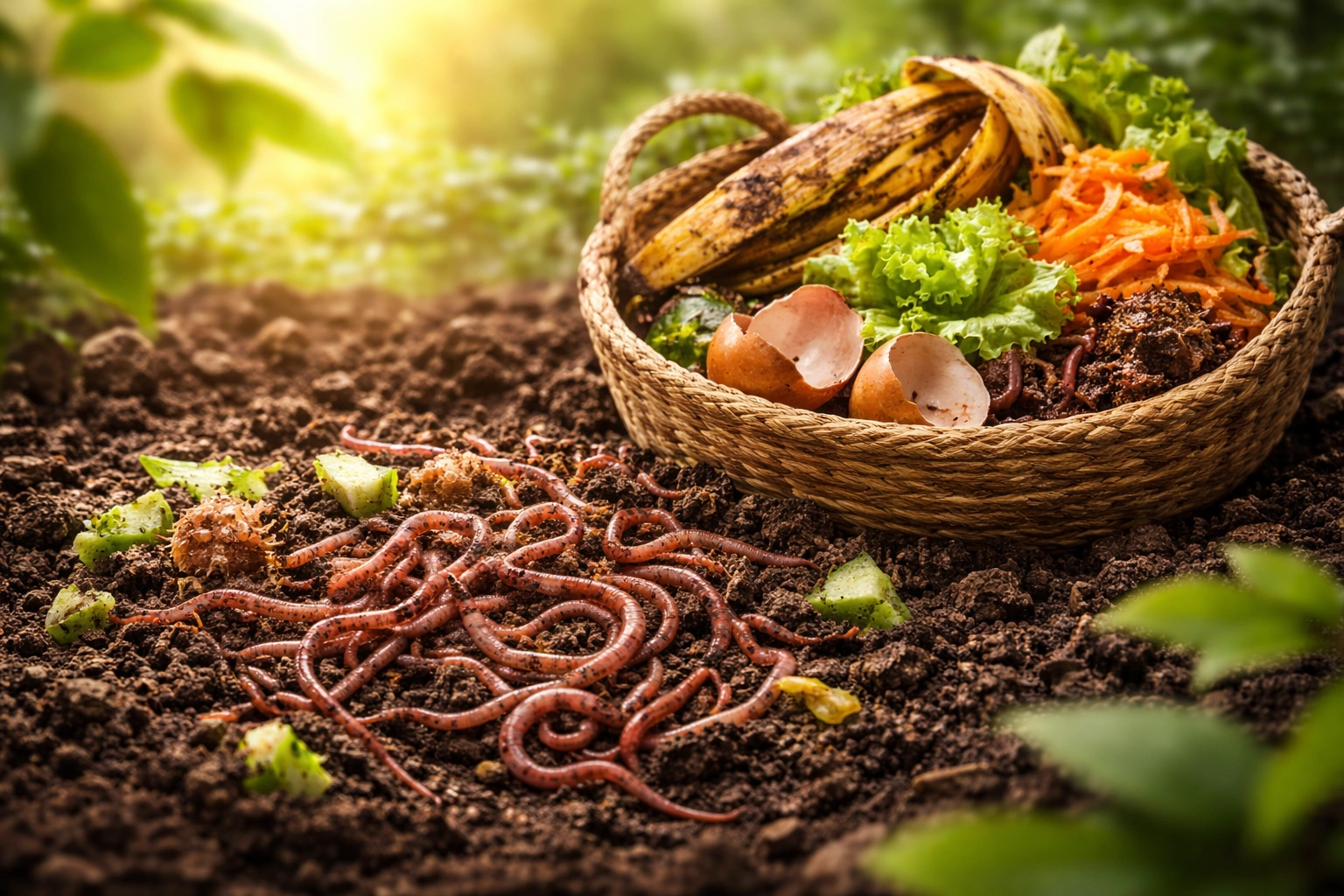
A close-up view of red worms actively breaking down organic matter in a moist compost substrate. The image captures the biological core of vermicomposting, illustrating how earthworms transform food and agricultural residues into nutrient-rich humus through natural digestion and microbial interaction.
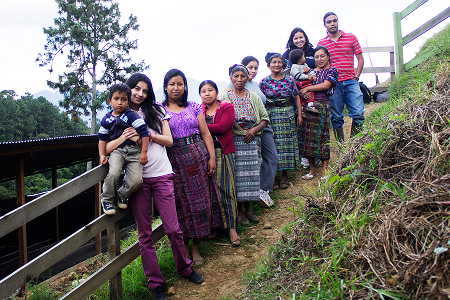
The scene reflects collective participation, intergenerational involvement, and the importance of community-driven approaches in sustainable agriculture and local waste-valorization projects.
STARTUPS
As interest in low-tech and decentralized organic waste solutions grows, a new wave of startups is emerging around the world with vermicomposting at the core of their business model. These ventures operate at community or household scale, often using simple worm-based systems to transform organic residues into valuable soil amendments. Their approaches combine environmental recovery with social engagement, agricultural support, and circular economy principles. Because vermicomposting requires minimal infrastructure and low operational costs, it is also particularly suitable for developing countries and low-income areas, where accessible and scalable waste solutions are essential.
The following table highlights three standout startups—one from Latin America and two from other global regions—that exemplify this trend. Each uses vermicomposting not only to manage local waste streams but also to produce regenerative products like humus and liquid compost, while fostering local livelihoods and soil health. These cases offer insights into adaptable, impact-driven models that can be replicated in diverse socio-environmental contexts.
| Name | Region/ Country | Method | Waste feedstock | Product/value | Stage |
|---|---|---|---|---|---|
| Lombris | Puebla, Mexico | Household worm-bin system (“lombricompostero” with Eisenia worms) | Household kitchen scraps | Vermicompost (worm humus) used as organic fertilizer on local farms; community waste management training | Early-stage (2022) |
| Growing Tree Organic | Ghaziabad, India (South Asia) | Open windrow beds (outdoor worm beds with banana-leaf mulch cover) | Cow dung (dairy farm manure) | Vermicompost (nutrient-rich organic fertilizer) sold at low cost to small farmers | Scaling (2021) |
| DOODA Solutions | Chouf, Lebanon (Middle East) | Continuous-flow vermicomposting (tech-enabled reactors with automated harvesting) | Food waste & animal manure | Premium solid and liquid vermicompost bio-fertilizers for soil regeneration and crop nutrition | Scaling (2017) |
While the examples above illustrate diverse and successful applications of vermicomposting at local scale, they represent only a small selection of the growing ecosystem of startups leveraging this nature-based solution. From urban neighborhoods to agricultural communities, more ventures are emerging globally with innovative business models centered on worms, waste recovery, and soil regeneration. These three cases highlight the versatility and adaptability of vermicomposting—but many other players are contributing to this shift toward circular, low-impact organic waste management.
Deep tech investors are driving capital toward biotechnologies that link materials, sustainability, and climate impact — positioning fermentation within the broader circular innovation landscape.
| Name | Website | Region/ Country | Size of current fundsSector | Sector | Additional info |
|---|---|---|---|---|---|
| Circular innovation fund | https://circulari nnovation fund.com/ | Canada | EUR 150 M | Food & agriculture | Circular economy, recycling, waste solutions, logistics, distributions |
| Circulate capital | https://www.ci rculatecap ital.com/ | Singapore | EUR 25 M | Food & agriculture | Preventing oceans plastic, waste management and recycling |
| Indico capital partners | https://www.ind icocapita l.com/ | Portugal | EUR 76 M | Food & agriculture | Ocean Tech: Sustainable Aquaculture and Fisheries, Blue BioTech, Digital Ocean, Waste and Circular Economy, Green shipping, Ocean Renewable Energy |
| Structure capital | https://structu re.vc/ | USA | – | Food & agriculture | All related to zero waste |
| AgriTech hubs | http://agritech hub.com/ | Poland | – | Food & agriculture | – |
| Flora ventures | https://www.flor avc.com/ | Israel | EUR 80 M | Food & agriculture | Sustainable agrifood startups |
| Ventures platform | https://www.ven turespla tform.com/portfolio | Nigeria | EUR 40 M | Food & agriculture | Fintech, Edtech, Agritech, Food Science, Healthtech, Bioscience, Enterprise SaaS and digital infrastructure |
For early-stage startups, grants remain critical to bridge research and market readiness, enabling the validation and scaling of fermentation-based solutions.
| Program | Region/ Country | Stage | Website | Amount | Description |
|---|---|---|---|---|---|
| Big Small Business Project | Serbia | Grant | https://velikamal aprivreda.rs/en/grants/ | – | The USAID Big Small Businesses Project, led by ACDI/VOCA and partners, supports Serbian MSMEs in Agriculture & Food and Equipment & Machinery, promoting integration into higher-value markets and sustainable, inclusive growth. Through the TPI APS 2023-01 grant program, the project seeks private-sector partners to co-create market-driven solutions that advance digitalization, green innovation, and opportunities for women and youth. EOIs are open from June 21, 2023, to April 30, 2024. |
| Op Zuid | Netherlands | Grant | https://innovenci o.nl/op-zuid-efro/ | 1M EUR | Regional grant funded by the European Regional Development Fund (ERDF) and distributed through OP Zuid, aiming to leverage the local innovation ecosystem in southern Netherlands to create economic and social impact in energy, climate, raw materials, agriculture, food, and health. |
| Young Agririan | Czech republic | Government, Grant | https://www.szif.c z/cs/prv2014-611 | 45k EUR | The Czech Republic has a tradition of supporting young agricultural entrepreneurs. In 2015-2020 support for young agrarian entrepreneurs is being provided via EU funding for persons interested in starting their entrepreneur activity in agriculture up to 40 years of age. The maximum subsidy is up to 45 000 EUR. |
Vermicomposting stands out as one of the most accessible, low-emission, and regenerative technologies for organic waste valorization. Its biological simplicity masks a powerful capacity for circular transformation: closing nutrient loops, empowering communities, and restoring degraded soils. Whether implemented through small household bins or semi-industrial systems, vermicomposting links food waste to food security—without relying on high energy inputs or complex infrastructure.
While the article explored only a selection of system types, case studies, and early-stage ventures, the broader landscape is expanding rapidly. Emerging startups, community projects, and municipal pilots around the world are rediscovering worms as allies in sustainability. What makes vermicomposting especially relevant today is its flexibility: it can be local, low-cost, and inclusive—making it a key biological lever for urban resilience, green entrepreneurship, and regenerative agriculture.
Key insights
-
- Biological efficiency with minimal emissions Vermicomposting occurs under oxygenated conditions that prevent methane generation, making it a climate-friendly solution compared to conventional composting.
- Scalability across contexts From rural trenches and windrows to engineered Continuous Flow Reactors (CFRs), vermicomposting can be adapted to fit households, farms, institutions, or urban biocenters.
- Strong alignment with circular economy goals By converting food and agricultural waste into high-value humus, the process supports soil regeneration, reduces fertilizer dependency, and keeps nutrients local.
- Community empowerment is a core enabler As shown in the ByoEarth and Lombris cases, vermicomposting can generate green jobs, particularly for women and marginalized groups, when paired with training and local market access.
- Barriers remain—but are addressable Moisture control, climatic constraints, and regulatory gaps can be mitigated through decentralized design, education, and policy support tailored to small-scale operators.
If you’re a startup refining your strategy to scale, structuring your data room, or tackling manufacturing challenges—or an investor seeking technical diligence to de-risk a thesis or explore new spaces in the circular bioeconomy—we can help. Let’s connect to turn organic waste into local value.
References
[1] Kaza et al. (2018) What a Waste 2.0, World Bank.
[2] Eurostat (2024). Waste Generation in Europe.
[3] Christian et al. (2017). Reviews on Environmental Science and Bio/Technology
[4] Bakan et al. (2021). Waste and Biomass Valorization.
[5] FAO (2003). The Use of Earthworms in the Composting of Organic Residues.
[6] Regenerative Farmers of America (2024). Vermicomposting: Turning Food Waste into Fertility.
[7] Worms Down Under (2024). Vermicomposting vs Conventional Composting.
[8] Springer (2023). Vermicomposting and Its Challenges in Moisture and Product Management. In: Recent Advances in Organic Waste Valorization.
[9] Reuters (2025). Dutch court orders government to cut nitrogen emissions. Reuters Climate & Sustainability Desk, January 22, 2025.
Table 1. Types of Vermicomposting
Oklahoma State University Extension (2024). The Basics of Vermicomposting.
Microbiology Notes (2023). Vermicomposting: Introduction, Characteristics, Process, and Types
Figure 1. Barrier landscape radar chart for Vermicomposting technologies
Microbiology Notes (2023). Vermicomposting: Introduction, Characteristics, Process, and Types.
Singh, P. & Nain, L. (2023). Sustainable Vermicomposting Systems for Organic Waste Management: Opportunities, Barriers and Policy Gaps. International Journal of Agricultural Sustainability.
FAO (2024). Family Farming Knowledge Platform — Vermicomposting for Sustainable Agriculture. Food and Agriculture Organization of the United Nations.
Das, S., Lee, S.H., & Park, J.H. (2023). Operational Challenges and Environmental Implications of Vermicomposting under Different Waste Management Frameworks. Science of the Total Environment.
Sustainability Directory (2024). What Are Vermicomposting Challenges and Solutions?
Case Study
ByoEarth (2024). Turning Waste into Wealth: Social Enterprise for Sustainable Soil Regeneration. Internal project documentation and community impact reports, Guatemala City.
Authors

Maria Lozoya
Associate emerging technologies

Diego Santamaria Razo
Managing Director
Related Posts
Advanced Materials and Critical Minerals: The Supply Chains Powering the Energy Transition
Following the narrative developed throughout this energy series, we established…
From Technology Race to System Coordination: How Energy Innovation Organizes Around Clusters
For years, the energy transition was framed as a technological…
From a global challenge to local bottlenecks
As global energy demand continues to rise, energy infrastructure is…