FOOD TO VALUE: Turning Household Organics into Local Value
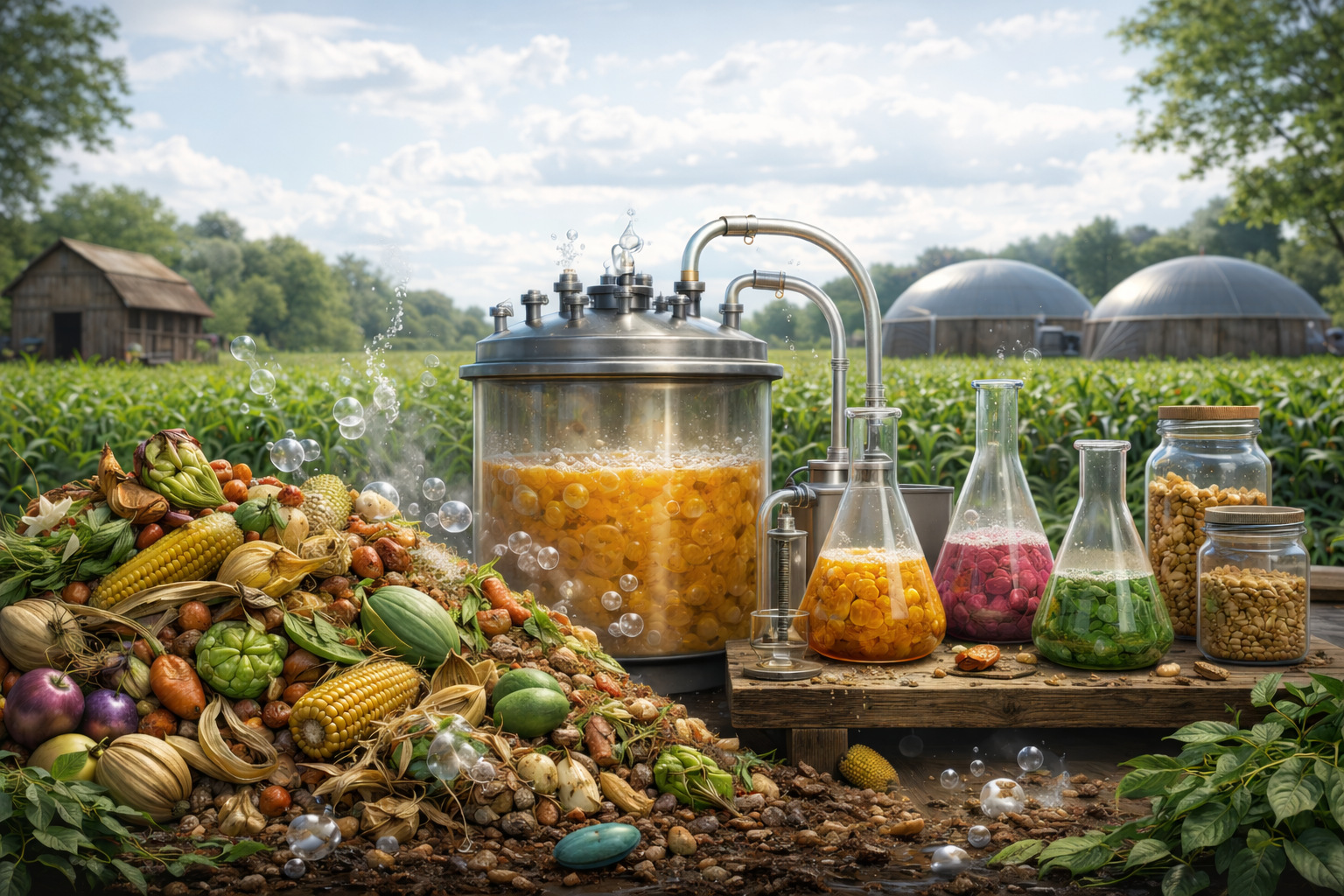
Transforming household organics through biological, nature-inspired, and tech-driven solutions is essential to cut emissions, reduce costs, and unlock circular local value.
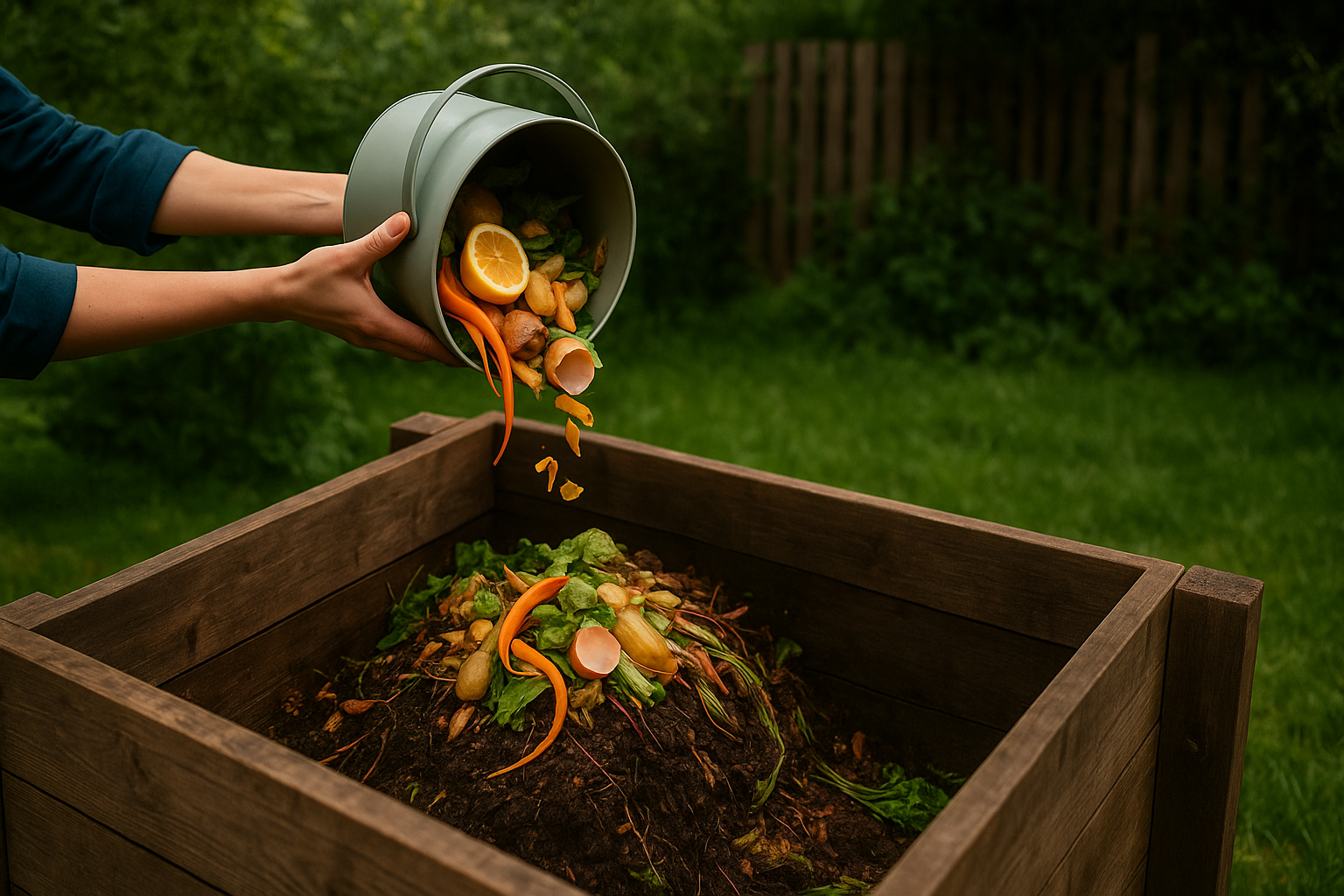
Organic waste transformation in action — illustrating the shift from traditional disposal toward circular, community-centered resource recovery.
Municipal solid waste is increasing rapidly worldwide, with organic fractions as a major driver(1). Household food waste plays a disproportionate role, exposing the limits of traditional systems burdened by high logistics costs, landfill dependence, and greenhouse gas emissions(2). Policy shifts toward mandatory bio-waste segregation are creating momentum for new solutions(3). Emerging technologies can transform organic waste into energy, fertilizers, and bio-based products, while decentralized systems empower communities and lower investment barriers. This convergence of sustainability goals and technological progress offers a unique opportunity to rethink organic waste management(4).
The future of waste management will be defined by decentralization — bringing solutions closer to communities rather than scaling only at national level. Households are not just the source of the challenge, they are the gateway to the solution: changing behaviors and enabling local technologies. “No single technology will solve the problem. Real impact comes from combining biological, technological, and policy-driven pathways.”(5) Turning waste into value is no longer optional — it is the foundation for resilient cities and a competitive circular economy.
The Challenge
Organic waste is one of the most pressing pain points in modern waste systems. Households generate the majority of food waste, inflating collection costs, and contributing to the emission of Greenhouse gases (GHG) as methane during decomposition of the waste in the overloading landfills, and releasing methane. Legacy systems were designed to remove waste, not to valorize it. In dense urban areas, transporting wet, low-density material over long distances is expensive and emissions-intensive.
Meanwhile, policies are evolving: more jurisdictions are mandating source separation for bio-waste.
This reduces contamination and enables higher-value applications—but only if paired with
accessible, community-operable technologies and clear market pathways.
Our thesis: there is no single silver bullet. Real, scalable impact comes from a portfolio of solutions—biological, nature-inspired, and tech-driven—deployed closer to the source and supported by education, policy, and markets.
1) Biological Pathways
Composting
Composting is a natural process where food scraps and garden waste break down with the help of air and microbes, turning into a safe and useful material called compost. The heat produced during this process helps destroy harmful germs (6). Successful composting depends mainly on having the right mix of materials and enough air to keep the process healthy and odor-free. Adding a small amount of biochar can also make composting cleaner by reducing gas emissions and keeping more nutrients in the compost (7). It’s important to use clean, separated waste because mixing in regular trash can add small plastic particles; for this reason, sorting waste at the source and checking compost quality are essential (8).
Fermentation
Fermentation is the low-oxygen, microbe-driven conversion of organic waste into energy (biogas/biomethane) and building-block chemicals. For energy (anaerobic digestion), stable performance hinges on keeping ammonia, pH, temperature, and loading in safe ranges (9)(10). For chemicals, stopping earlier yields volatile fatty acids (VFAs) that can be upgraded to higher-value products like caproate; the main cost hurdle is separation, where newer membrane/in-situ recovery systems are improving yields and economics (11)(12)
Fungal Decomposition
Uses oxygen-loving fungi to break down tough plant matter (woody, fibrous residues) by secreting powerful enzymes—laccase, manganese peroxidase, lignin peroxidase—that open up lignin and expose cellulose/hemicellulose (13)(14). Practically, it’s run as solid-state treatments on moist biomass to “pre-soften” straw, husks, etc., improving digestibility or downstream conversion (e.g., to biogas or feeds), with demo-scale results reported (15). Performance hinges on moisture/aeration and picking robust white-rot fungi; co-cultures and process tweaks are active levers to speed rates (16).
2) Nature-Inspired Innovation
Microbial Bioconversion
Uses tailored microbes (single strains or consortia) to turn organic wastes—food scraps, ag residues, even methane—into targeted products under controlled conditions (oxygen level, pH, temperature). This enables modular, circular production at small or industrial scale.Two proven plays: single-cell protein (SCP), where methanotrophs or other microbes convert methane/methanol into high-protein biomass for food/feed; recent reviews and pilots highlight fast growth and strong land/water efficiency (17).
For materials/chemicals, mixed-culture fermentation of food waste yields VFAs that are upgraded to bioplastics (PHAs) or higher-value MCCAs (e.g., caproate); viability hinges on matching feedstock ↔ microbe and efficient product recovery/separation (18).
Algal Cultivation
Grows microalgae in open ponds or closed photobioreactors (PBRs) to turn sunlight, CO₂ and nutrients—often from wastewater—into biomass rich in proteins, lipids and pigments for fuels, food/feed and specialty products(1). For economics, TEAs consistently show raceway ponds keep a cost edge for low-cost fuels, while PBRs justify higher CAPEX when targeting premium products or tighter quality control. Biggest hurdle: harvesting/dewatering—the energy/cost hotspot—where recent reviews highlight hybrid and membrane-enabled approaches reducing unit costs. A practical upside is co-treating wastewater, which removes N/P while supplying nutrients and adding CO₂-capture co-benefits—several real plants and pilots report strong performance with algae–bacteria consortia.
Fungal Protein
Produced by cultivating filamentous fungi (e.g., Fusarium venenatum) in aerobic fermenters to turn clean, traceable food/agro side-streams into a complete, protein-rich mycelial biomass with a meat-like texture (19). In free-living randomized trials (~4 weeks), replacing meat with mycoprotein lowered total and LDL cholesterol (20). Independent reviews generally find lower greenhouse-gas footprints than beef, with outcomes sensitive to electricity mix and siting (21). Historic side-stream pathways (e.g., PEKILO using Paecilomyces variotii on sulphite-liquor) show the waste-to-value feasibility for feed and inform modern deployments (17).
Nature-inspired innovations, such as insect larvae processing and microbial bioconversion, mimic ecological processes to convert organic waste into high-value products like protein, fertilizers, and bio-based materials.
3) Tech-Driven Recovery
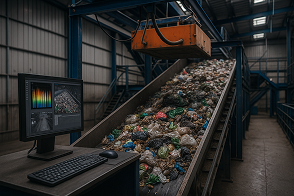
Sorting line at a modern waste management facility, where mixed municipal waste—including large volumes of organic material—is analyzed and processed to improve recovery efficiency and reduce landfill dependency.
Anaerobic Digestion (AD)
Microbes break down organic waste without oxygen to make biogas (energy) and digestate (nutrients). In practice, reliable plants focus on avoiding free-ammonia inhibition by tuning pH, temperature, organic loading and retention time; mitigation ranges from microbiome management to emerging “weak electrical stimulation” strategies (22)(23). A pragmatic lever is biochar addition, which can buffer shocks and sometimes raise methane yield—benefits are feedstock- and dose-dependent (24). For markets, raw biogas is commonly upgraded to biomethane with compact polymer-membrane units that separate CO₂ efficiently (25). Downstream, struvite precipitation recovers phosphorus (and some nitrogen) from digestate into saleable fertilizers, cutting treatment loads.
Starch Extraction & Chemical Recovery
In the organic-waste space, this targets clean food/agro side-streams before they become effluent: physical separation (milling + hydrocyclones) captures native starch, enzyme-assisted steps unlock starch from fibrous residues, and UF→NF/RO trains recover fine starch/protein while returning reuse-quality water; closing the loop, CIP caustic can be regenerated via NF + membrane distillation, cutting chemicals and wastewater—delivering more sellable product per ton, lower COD/N loads, and tighter water/chemical cycles (26)
Thermochemical Conversion (Pyrolysis, Gasification, Hydrothermal Liquefaction)
Turns organic wastes into energy carriers and materials using heat instead of microbes. For dry feeds, pyrolysis makes bio-oil, biochar, and gas; product split depends on temperature/heating rate and reactor design (27). For wet feeds (e.g., sludge, food waste slurries), hydrothermal liquefaction (HTL) makes biocrude without costly drying (28). Gasification makes syngas for fuels/chemicals but requires tar control via temperature, residence time, and catalysis. (29)
| Context | Best-Fit Technologies | Why |
|---|---|---|
| Dense neighborhoods with high community engagement | Composting, Bokashi, Vermicomposting | Low CAPEX, low odor, local soil use |
| Food industry districts / campuses | Fermentation, Bioconversion, Extraction, Mycoprotein | Consistent streams enable high-value outputs |
| City or regional hubs focused on energy | Anaerobic Digestion, HTC, SCWG | Dispatchable energy, nutrient reuse, wet-waste suitability |
| Rapid volume reduction + protein value | BSFL, Vermiculture for Protein, Duckweed | Quick diversion + feed markets |
| Specialized or contaminated streams | Thermochemical, Bioleaching, Electrochemical | Handles mixed or difficult residues |
| Circular economy clusters | Hybrid combinations | Maximize recovery across multiple fractions |
While these technologies align with specific contexts and objectives, their successful deployment depends on effectively managing operational, social, and market-related risks.
Risks & Mitigations
- Feedstock contamination: Education, simple bin design, and feedback loops.
- Odor & public acceptance: Enclosed or covered systems, biofilters, transparent site tours.
- Market volatility: Diversify outputs and secure anchor offtake early.
- CAPEX barriers: Start modular and decentralized, scaling up as data and participation grow.
- Regulatory uncertainty: Engage early with policymakers, align with evolving standards, and participate in industry coalitions to anticipate and shape future regulations.
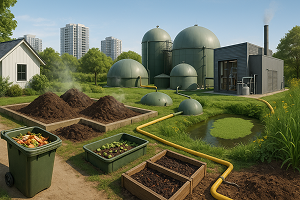
Emerging technologies, combined with systemic change and community engagement, offer a powerful pathway to transform organic waste from a growing problem into a valuable resource
Household organics are both the challenge and the gateway to a circular future. With bio-waste segregation advancing, cities can move from disposal to resource conversion—producing local energy, soil fertility, and bio-based products while cutting emissions and costs.
While a wide spectrum of biological and technological pathways exists, some stand out for their current scalability and market traction. Fermentation, composting, fungal decomposition, algal cultivation, microbial bioconversion, fungal protein, starch and chemical extraction, anaerobic digestion, and thermochemical conversion together represent the segments capturing the largest share of the market today. Highlighting them does not mean they are the only valid solutions—rather, they illustrate where scale, infrastructure, and investment are already converging. Exploring these pathways in depth allows us to understand how each can be deployed, combined, and adapted to accelerate the transition toward a circular bioeconomy.
In the coming weeks, we will publish deep-dive briefs on each of these technologies—covering, some of the barriers these technologies can face, small scale solutions, case studies, standout startups, active investors, and grant opportunities.
No single pathway will solve the challenge alone; understanding their strengths, limits, and contexts is what unlocks scalable solutions. At the same time, it is important to note that this research only addresses one part of the broader circular ecosystem, where mobility, energy, food systems, and policy all interconnect.
If you’re a startup refining your strategy to scale, structuring your data room, or tackling manufacturing challenges—or an investor seeking technical diligence to de-risk a thesis or explore new spaces in the circular bioeconomy—we can help. Let’s connect to turn organic waste into local value.
References
(1) Kaza, Silpa et al, What a Waste 2.0: A Global Snapshot of Solid Waste Management to 2050. Urban Development, © Washington, DC: World Bank, 2018
(2) Christian, Riuji Lohri et at, Treatment technologies for urban solid biowaste to create value products: a review with focus on low- and middle-income settings, Reviews on environmental science and bio/technology, 2017
(3) Eurostat, Waste Generation in Europe – excluding mineral waste , September 2024
(4) Bénédicte, Bakan et al, Circular Economy Applied to Organic Residues and Wastewater: Research Challenges, Waste and Biomass Valorization, 2021
(5) Pooja, Sharma et al, Sustainable Organic Waste Management and Future Directions for Environmental Protection and Techno-Economic Perspectives, Current Pollution Reports, 2024
(6) Ji et al. (2023). Evaluation of composting parameters, technologies and maturity indexes.
(7) Xu & Xiong (2025). Biochar amendments mitigate trace gas emissions in organic-waste composting: a meta-analysis.
(8) Nourozi et al. (2024). Occurrence of microplastics in compost: a systematic review.
(9) Yang et al. (2024/2025). Ammonia inhibition in anaerobic digestion of organic waste: a review. Int. J. Environ. Sci. Technol.
(10) Lacroce et al. (2024). On the extraction of volatile fatty acids from food waste mixtures… Chem. Eng. Sci.
(11) Wang et al. (2023). Advances in MCCA production via chain elongation. Chemosphere.
(12) Resch et al. (2025). Upstream considerations for gas fermentation processes. Curr. Opin. Biotechnol.
(13) Dhiman et al. (2024). Fungal systems for lignocellulose deconstruction: From mechanisms to applications. GCB Bioenergy. Wiley Online Library
(14) Kumar et al. (2024). Harnessing the potential of white-rot fungi and ligninolytic enzymes. Water & Environment Journal. Wiley Online Library
(15) Pallín et al. (2024). Scale-up of fungal pretreatment of wheat straw (Irpex lacteus) under SSF. Waste and Biomass Valorization. SpringerLink
(16) Vieira et al. (2025). Fungal coculture: efficient strategies for lignocellulosic biomass degradation. Microorganisms
(17) Steen, A. (2014). Production of Single-Cell Protein from Residual Streams (thesis; historical review of the PEKILO process)
(18) Majumder, R. et al. (2024). Mycoprotein: production and nutritional aspects — a review. RSC Publishing.
(19) Gnaim, R. et al. (2025). Fusarium-based mycoprotein: Advancements in the development of meat alternatives. Trends in Food Science & Technology.
(20) Pavis, G.F. et al. (2024). A four-week dietary intervention with mycoprotein-containing foods reduces serum cholesterol in overweight adults: randomized controlled trial. Clinical Nutrition.
(21) Shahid, M. et al. (2024). The environmental impact of mycoprotein-based meat alternatives: a systematic review. Cleaner and Circular Bioeconomy.
(22) Yang J. et al. (2025). Ammonia inhibition in anaerobic digestion of organic waste: a review. International Journal of Environmental Science & Technology.
(23) Li J. et al. (2025). Ammonia inhibition in AD and weak electrical stimulation strategies: a review. Bioresource Technology.
(24) Vayena G. et al. (2024). Impact of biochar on the anaerobic digestion process (review).
(25) Tomczak W. et al. (2024). Biogas Upgrading Using a Single-Membrane System (review). Membranes.
(26) Nagarajan A. et al. (2024). Sustainable nutrient recovery through struvite precipitation from digestate. Heliyon.
(27) Saengchan, K. et al. (2019). New hydrocyclone design for high starch yield. Journal of Food Engineering.
(28) Talwar P. et al. (2025). Pyrolysis Process, Reactors, Products, and Applications. Energies.
(29) Feng J. et al. (2024). Opportunity Space for Sustainable Biomass Valorization (HTL of wet wastes overview). PNAS Nexus (open)
(30) Jayanarasimhan A. et al. (2024). Tar Formation in Gasification Systems: A Holistic Review. ACS Omega.
Authors

Maria Lozoya
Associate emerging technologies

Diego Santamaria Razo
Managing Director
Related Posts
Venture Building as a Regional Strategy for DeepTech Impact
In emerging regions, a significant portion of scientific and technological…
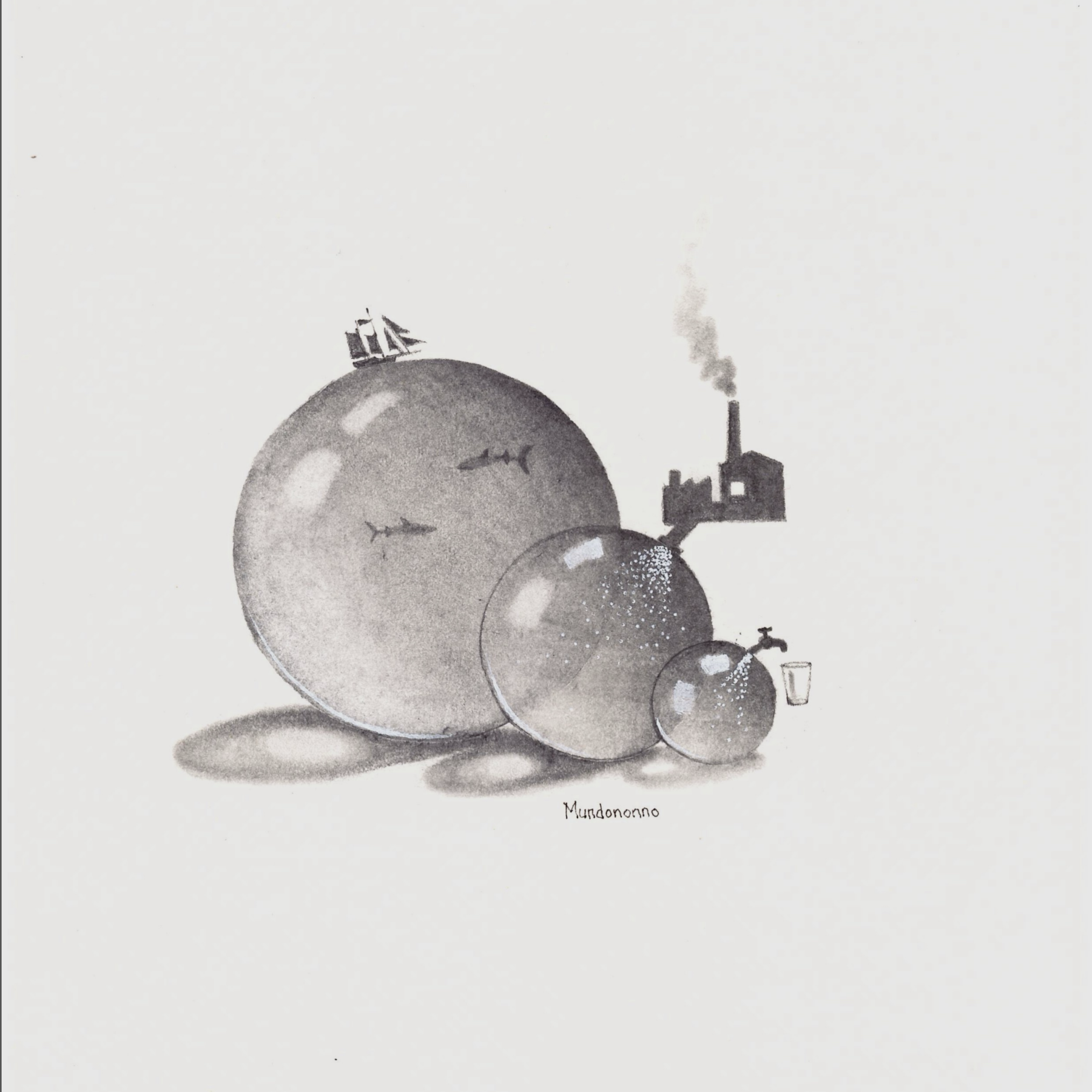
Beyond Climate: Understanding Systemic Risk Across Planetary Boundaries
Anthropogenic activity has a direct and measurable impact on the…
Beyond the Dashboard: How AI Is Outpacing the System’s Ability to Execute
The energy transition is often discussed in terms of better…